Emerging Cyber Threats: Critical Flaws in Firewalls, Banking Trojans for Rent, and More
Introduction: A Dual Nature of Cybersecurity Threats
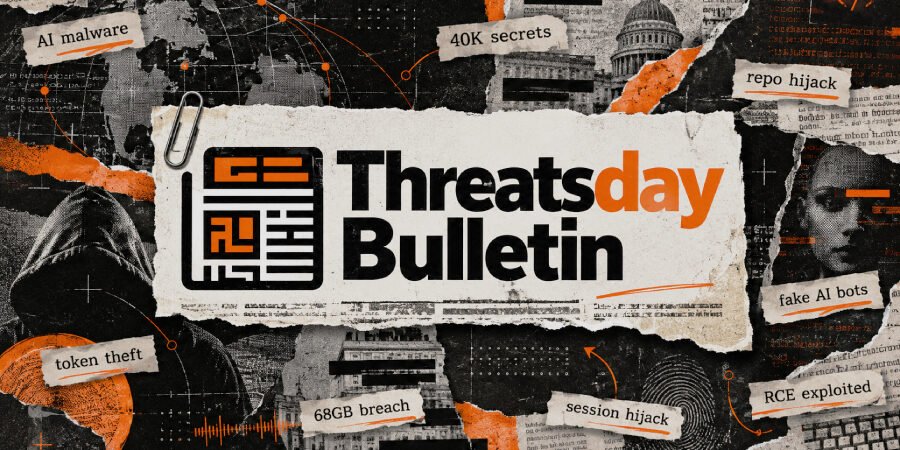
The landscape of cybersecurity is constantly evolving, and recent reports highlight a disturbing trend of both sophisticated attacks and careless security lapses. The latest installment of ThreatsDay outlines critical vulnerabilities in firewall systems, the rental of banking trojans, weaponized PDF documents, and numerous other threats that illustrate the complex nature of today’s cyber risks. These incidents remind organizations that cybersecurity is not just about advanced technology; it’s also about maintaining best practices and vigilance.
Critical Firewall Vulnerabilities
This week, security researchers identified significant flaws in various firewall implementations. These vulnerabilities could allow attackers to bypass security measures and gain unauthorized access to sensitive data. The implications of these issues are profound, as firewalls are fundamental components of network security.
- Exploitable Access: Attackers can potentially exploit these vulnerabilities to reconfigure firewall rules, compromising entire network segments.
- Long-standing Issues: Some of these bugs date back several years, highlighting the importance of regular software updates.
- Vendor Response: Vendors are urged to take immediate action, yet organizations must also independently verify and enhance their security postures.
The Renting of Banking Trojans
Another alarming trend is the rise in the rental market for malicious software, particularly banking trojans. Cybercriminals are increasingly incentivized to share their tools, effectively lowering the barrier for entry into cybercrime.
- Cost-Effective Crime: Prices can range from a few hundred to several thousand dollars, depending on the malware’s capabilities and the access it provides.
- Increasing Accessibility: These rentals can democratize cybercrime, allowing less skilled individuals to conduct sophisticated attacks.
- Implications for Banks: Financial institutions must bolster their defenses against these proliferating threats to protect customer assets.
Weaponized PDF Threats
PDF files have long been viewed as potential carriers of malware, but recent developments demonstrate a concerning evolution in how these files are weaponized. Cybercriminals are using them as a means to deploy malware quickly and efficiently.
- Stealthy Execution: A weaponized PDF can exploit vulnerabilities in PDF readers, executing malicious code without user consent.
- Social Engineering: Attackers often disguise these PDFs as legitimate documents to trick users into downloading them.
- Call to Action: Experts advise heightened awareness and the implementation of rigorous scanning practices for incoming documents.
Rise of Token Theft
A concerning tactic gaining traction among cybercriminals is token theft. This involves the unauthorized access and exfiltration of authentication tokens, which are critical for accessing user accounts and services without needing passwords.
- Impact on Trust: Token theft can lead to severe breaches of trust, as users may unknowingly authorize transactions and account changes initiated by hackers.
- Defensive Strategies: Organizations are encouraged to implement multi-factor authentication to mitigate risks associated with stolen tokens.
- Educating Users: Businesses must educate users on the importance of security measures to protect their accounts.
Conclusion
The diverse array of threats reported in this ThreatsDay installment underlines the ongoing battle in cybersecurity, characterized by the mix of innovative attack techniques and outdated defenses. As cybercriminals evolve their methods and tools, individuals and organizations must remain vigilant, proactive, and informed. The responsibility to protect sensitive data lies not only with security professionals but also with all users engaged in digital operations.
Source: thehackernews.com