Critical WordPress Flaw: Update Process May Leave Sites Vulnerable to Attacks
Overview of the WordPress Vulnerability
According to Umut Bayram, a researcher from Picus Security, a newly identified flaw in WordPress poses significant risks for sites attempting to install a patch. This vulnerability is particularly concerning as it can still leave WordPress sites exposed during the update process, potentially allowing attackers to run arbitrary code on the server.
Details of the Exploit
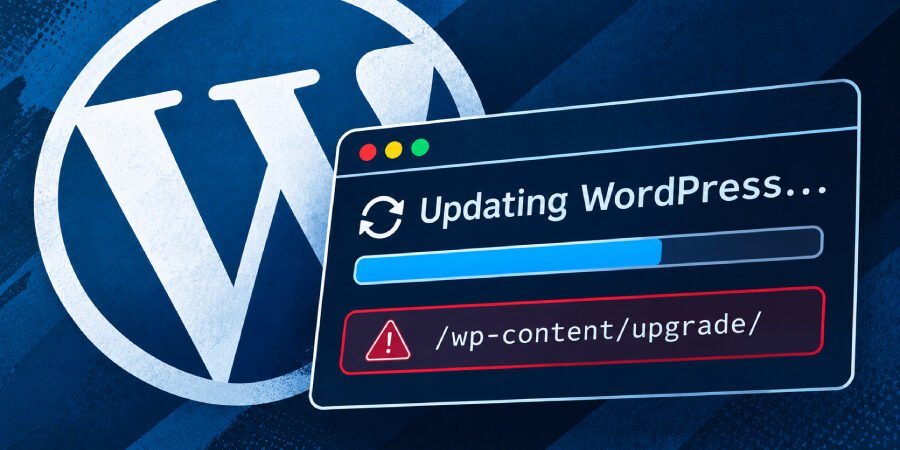
The crux of the issue lies in the update mechanism of WordPress. When a site attempts to install the fix for the existing flaw, the update process initially unpacks files using the website’s old and unpatched code. This means that during the critical window in which the patch is being applied, the site remains vulnerable to exploitation.
- The attacker can initiate an exploit while the update is being installed.
- The flaw allows for remote code execution, leading to severe compromises of website security.
- Sites that experience high traffic may be particularly at risk during these updates.
Recommendations for Site Administrators
In light of this significant risk, Bayram suggests several best practices that site administrators should consider to mitigate potential attacks during the update process:
- Immediate Action: Temporarily block web access to the site while the update is being applied.
- Regular Backups: Ensure that backups are taken before attempting to install any updates, allowing for recovery in case of an exploitation.
- Monitor for Suspicious Activity: Keep an eye on server logs for unusual behavior during and after the update process.
- Stay Informed: Follow security advisories from WordPress and cybersecurity experts to remain updated on potential vulnerabilities.
Implications for the WordPress Community
The discovery of this flaw and its implications underline the ongoing security challenges faced by the vast WordPress ecosystem. With over 40% of websites running on this platform, vulnerabilities not only affect individual site owners but also contribute to broader cybersecurity risks.
WordPress developers need to prioritize addressing such vulnerabilities in a way that minimizes the risk during updates. This incident could highlight the need for better update mechanisms or additional security layers to protect users during critical periods.
Expert Analysis
Cybersecurity experts have echoed the concerns raised by Bayram, emphasizing the need for robust security protocols in content management systems like WordPress. The update mechanism should ideally ensure that sites are not left vulnerable, particularly during routine maintenance. This incident may prompt developers and web administrators to rethink their approach towards software updates.
Investing in security plugins, firewalls, and intrusion detection systems may also be advisable. As attackers become increasingly sophisticated, the safeguards put in place should evolve to combat potential threats effectively.
Conclusion
The discovery of this flaw and the associated risks underscore the importance of not only timely updates but also safe update practices. As the WordPress community continues to grow, so too must its commitment to security standards. Site administrators must remain vigilant and proactive to safeguard their domains from potential exploitation.
Source: thehackernews.com