Exploiting ChatGPT Lockdown Mode: A New Frontier in Cybersecurity Threats
Background and Context
In the rapidly evolving landscape of artificial intelligence, cybersecurity challenges have become increasingly complex. The introduction of OpenAI’s ChatGPT Lockdown Mode was a crucial step toward enhancing user data protection against prompt injection attacks, which have plagued AI platforms since their inception. Prompt injection attacks occur when malicious actors manipulate AI systems into executing unintended actions, such as exfiltrating sensitive user data. This threat is particularly pertinent as more organizations integrate AI tools into their workflows, often without fully understanding the associated risks.
Historically, similar vulnerabilities have emerged in various platforms, from web applications to cloud services. For example, the infamous SolarWinds breach in 2020 highlighted the catastrophic consequences of overlooked security measures, resulting in significant data loss and compromised networks across government and private sectors. The repeated emergence of these incidents underscores a pressing need for continuous vigilance and proactive security innovations. With the rise of AI, the stakes are even higher; a successful breach can lead to widespread data compromises, affecting millions of users and potentially resulting in severe reputational damage for companies involved.
The recent research by Check Point Research, which uncovered a vulnerability allowing attackers to bypass Lockdown Mode, raises significant concerns about the adequacy of current security protocols in AI systems. As organizations increasingly rely on AI for sensitive operations, understanding these vulnerabilities and their implications is crucial. With the potential for silent data exfiltration, phishing, and malware delivery, the implications extend beyond individual users, potentially impacting entire organizations and sectors.
Technical Analysis
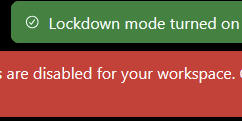
The vulnerability identified by Check Point Research exploits a flaw within the Lockdown Mode, which is designed to curb data exfiltration risks by severing external communication channels from the AI. Lockdown Mode attempts to mitigate risks by restricting access to live web content, blocking image loading, and disabling network requests from Canvas-generated code. However, the discovery of a circumvention method indicates that these protective measures may not be as robust as intended.
The attack leverages the inherent functionality of the ChatGPT platform, allowing attackers to initiate covert data transfers without requiring any direct user interaction. This means that simply engaging with the AI in conversation can lead to the silent exfiltration of sensitive data, including entire chat histories. As a result, the attack surface is alarmingly broad, facilitating not just data exfiltration but also the potential for phishing attacks that could trick users into revealing personal credentials.
Moreover, the use of DNS tunneling—a technique previously exploited in other cybersecurity incidents—enables attackers to send data through seemingly benign traffic. This method makes detection by conventional security measures exceedingly difficult, posing a challenge for both users and organizations attempting to safeguard sensitive information. The capacity for attackers to deliver malware further exacerbates the risk, demonstrating a multifaceted approach to exploitation.
Scope and Real-World Impact
The implications of this vulnerability extend beyond individual users of ChatGPT; businesses, government agencies, and educational institutions utilizing the platform are all at risk. As AI increasingly becomes a tool for sensitive communications, the potential for credential theft and data breaches raises alarms across sectors. The incident parallels earlier breaches, such as the 2021 Colonial Pipeline attack, which exploited operational vulnerabilities to create widespread disruption and financial loss, highlighting the urgency of addressing security gaps in emerging technologies.
The potential for silent data exfiltration poses a significant threat to any organization that relies on AI for internal communications or customer interactions. The exposure of sensitive data can lead to regulatory scrutiny, financial penalties, and loss of consumer trust, as seen in the fallout from the Equifax breach in 2017, which compromised the personal information of over 147 million people.
With the rise of AI applications across various sectors, the need for robust cybersecurity frameworks is imperative. Organizations must not only be aware of these vulnerabilities but also take proactive measures to mitigate risks associated with AI systems.
Attack Vectors and Methodology
The attack methodology identified by Check Point Research can be broken down into several steps:
- **Initial Interaction**: The attacker engages with ChatGPT, initiating a conversation that serves as a cover for the attack.
- **Exploitation of Vulnerabilities**: Utilizing flaws within Lockdown Mode, the attacker circumvents the intended security measures designed to prevent data exfiltration.
- **Silent Data Exfiltration**: Sensitive chat data is transmitted to an external server without any user awareness or interaction, potentially including personal credentials and chat logs.
- **Phishing and Malware Delivery**: The vulnerability can also facilitate phishing attacks, with the potential for the attacker to deliver malware disguised within seemingly innocent requests.
Mitigation and Defense Recommendations
To safeguard against such vulnerabilities, organizations must adopt comprehensive strategies that encompass both technical measures and user education:
- **Implement Multi-Factor Authentication (MFA)**: Enhance account security by requiring additional verification steps, reducing the impact of credential theft.
- **Regular Security Audits**: Conduct frequent assessments of AI systems and applications to identify and address potential vulnerabilities.
- **User Education and Awareness**: Train users on recognizing phishing attempts and understanding the risks associated with AI interactions.
- **Monitor Network Traffic**: Employ advanced monitoring solutions to detect anomalous patterns indicative of data exfiltration or unauthorized access.
Industry Implications and Expert Perspective
The findings surrounding the ChatGPT Lockdown Mode vulnerability represent a wake-up call for the tech industry at large. As AI technologies become integral to business operations, the risks associated with their deployment will likely evolve, necessitating an ongoing dialogue around cybersecurity best practices. Experts emphasize the need for a collaborative approach to security; AI developers, cybersecurity professionals, and end-users must work in concert to develop more resilient systems.
Moreover, as regulatory bodies begin to scrutinize AI technologies more closely, companies will face increasing pressure to demonstrate robust cybersecurity measures. The lessons learned from this incident should inform the development of future AI frameworks, emphasizing security as a foundational element rather than an afterthought.
Conclusion
The ChatGPT Lockdown Mode vulnerability serves as a stark reminder of the ever-present risks in the digital landscape. As organizations increasingly adopt AI tools, the potential for exploitation underscores the need for comprehensive cybersecurity strategies. By understanding the technical intricacies of these vulnerabilities and implementing effective mitigation measures, organizations can better protect themselves and their users.
The intersection of AI and cybersecurity will continue to evolve, and it is imperative that stakeholders remain vigilant. As we move forward, fostering a culture of security awareness and proactive defense will be crucial in navigating the complexities of this new frontier.
Original source: research.checkpoint.com