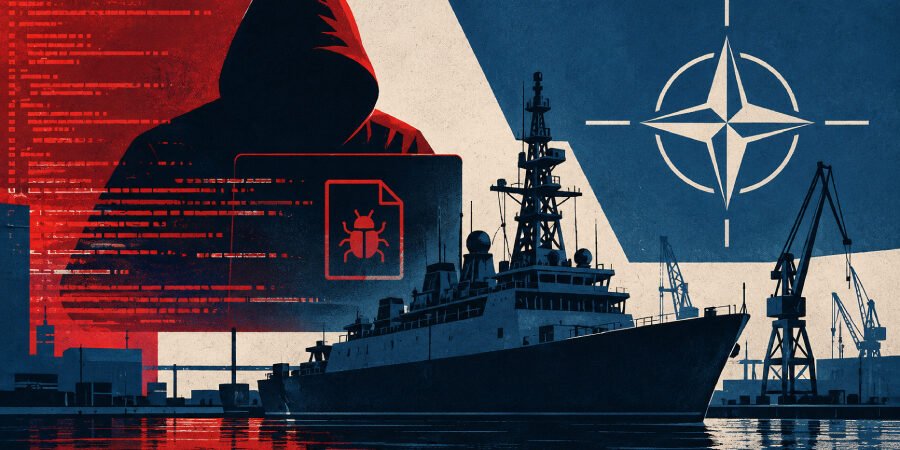
APT28’s Breach of NATO Naval Shipbuilder: A New Threat Landscape
Introduction to APT28
APT28, also known by various aliases such as BlueDelta, Fancy Bear, and Forest Blizzard, is a notorious state-sponsored cyber espionage group linked to the Russian government. The group has been active for over a decade and is infamous for its sophisticated cyber attacks against military and governmental entities, specializing in data theft and disruption.
Recent Breach of NATO Member States
Recent investigations led by the Symantec Threat Hunter Team have revealed a troubling incident where APT28 successfully breached the systems of a NATO naval shipbuilder within NATO member nations. This operation, dubbed Swallowtail, showcases a significant escalation in threats targeting military infrastructure.
Technical Analysis of the Attack
The Swallowtail operation employed a backdoor known as HOOKEDGE, which enables attackers to maintain access to compromised systems without detection. The attributes of this backdoor indicate a highly technical sophistication, consistent with tools typically utilized by state-sponsored threat actors.
- HOOKEDGE Capabilities: The backdoor facilitates stealthy operations, allowing attackers to conduct reconnaissance and deploy additional modules as necessary.
- Deployment Techniques: Experts suggest that the breach involved phishing attacks combined with exploitative techniques to gain initial access to the naval shipbuilder’s network.
- New Reflective Loader: The deployment of the new reflective loader aims to obfuscate malicious payloads, making detection by conventional security measures significantly more challenging.
Implications for NATO Security
This breach raises pressing questions about the security posture of NATO countries, particularly in defense sectors that are critical to national security. The ability of APT28 to infiltrate and potentially compromise sensitive military technology signifies a considerable threat not only to a single nation but to the collective security of NATO as an alliance.
- Increased Surveillance: NATO members may need to invest in enhanced network defense mechanisms to counteract such sophisticated attacks.
- Information Sharing: Strengthened cooperation among member states to share intelligence regarding threats is crucial in protecting against future cyber incursions.
- Resilience Building: Organizations within NATO should prioritize resilience in their cyber infrastructure to ensure operations can continue despite successful breaches.
Expert Opinions
Cybersecurity experts have weighed in on the ramifications of this breach. According to Dr. Jane Holloway, a renowned cybersecurity analyst, “This incident highlights the vulnerabilities that exist within even the most secure systems. NATO needs a comprehensive strategy that involves both technology and policy.”
Furthermore, security consultant Mike Edwards noted, “The continued evolution of tools used by cyber actors like APT28 marks a shift in how attacks are launched. Organizations must keep up with these developments to safeguard their networks.”
Conclusion
The infiltration of a NATO naval shipbuilder by APT28 underscores the ever-evolving landscape of cyber threats faced by military and governmental entities. Moving forward, it is imperative for NATO member states to adopt robust cybersecurity strategies, prioritize information sharing, and invest in protective technologies that can counteract advanced persistent threats.
Source: thehackernews.com