New ClickFix Attack Leverages Browser Cache to Evade Windows Run Limitations
Understanding ClickFix Attacks
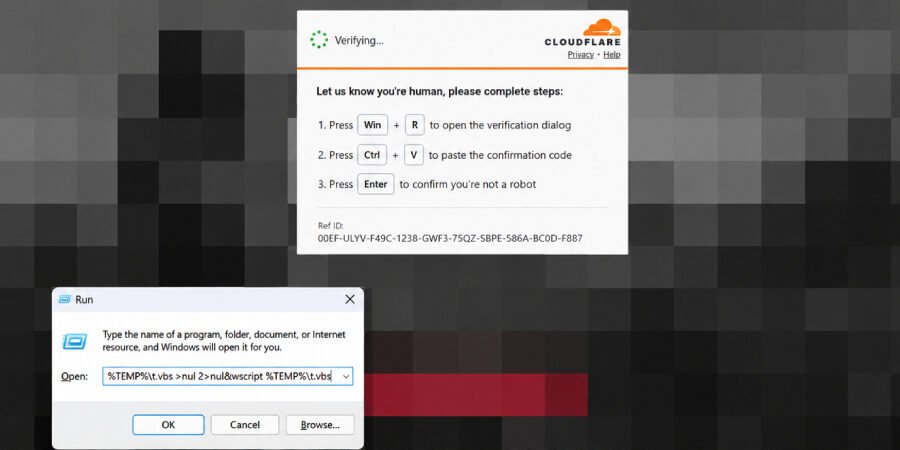
In the evolving landscape of cybersecurity threats, ClickFix represents a noteworthy innovation in attack methodologies. As identified by the Microsoft Threat Intelligence team, this attack leverages compromised websites to manipulate browser behavior, specifically targeting the cache. This sophisticated technique circumvents traditional safeguards that limit direct execution of downloaded files on Windows systems.
How the ClickFix Attack Works
The mechanics of a ClickFix attack diverge from conventional attack strategies in significant ways:
- Payload Caching: The attack uses compromised websites to pre-fetch malicious scripts disguised as harmless PNG image files. This subterfuge enables the scripts to be loaded into the browser’s cache without triggering download prompts.
- Execution Bypass: By utilizing browser cache rather than external downloads, attackers effectively bypass Windows’ execution restrictions, allowing malicious content to be executed under the radar.
- User Interaction: The success of a ClickFix attack often relies on user interaction; users may inadvertently execute the payload by engaging with the compromised content, further blurring the lines of user accountability.
Implications for Cybersecurity
The implications of ClickFix attacks are profound and multi-faceted, particularly for individuals and organizations relying on digital environments:
- Increased Risk: The use of browser cache as a vector for malware introduces a new level of risk, as traditional antivirus solutions may not detect cached scripts that masquerade as image files.
- Need for Enhanced Security Measures: Organizations must reassess their security protocols to incorporate measures specifically addressing vulnerabilities related to browser cache and cached files.
- User Awareness: Cybersecurity training for end-users becomes paramount. Users must understand the dangers of interacting with unknown sites and the potential risks of cached files.
Expert Analysis on Mitigation Strategies
Experts argue that mitigating the risks associated with ClickFix necessitates a comprehensive approach:
- Browser Security Enhancements: Browser developers may need to implement stricter rules on caching behaviors and file types that can be executed from the cache.
- Endpoint Protection Solutions: Organizations should invest in next-generation endpoint security solutions that utilize heuristics and behavioral analysis to detect unusual activity related to cached scripts.
- Regular Updates: Keeping browser and security software updated is crucial to protect against newly emerged variants of attacks like ClickFix.
Conclusion
As cyber threats continue to evolve, the ClickFix attack highlights the necessity for continual adaptation in cybersecurity strategies. By understanding the mechanics and implications of such attacks, both individuals and organizations can enhance their defenses against increasingly sophisticated threats.
Source: thehackernews.com