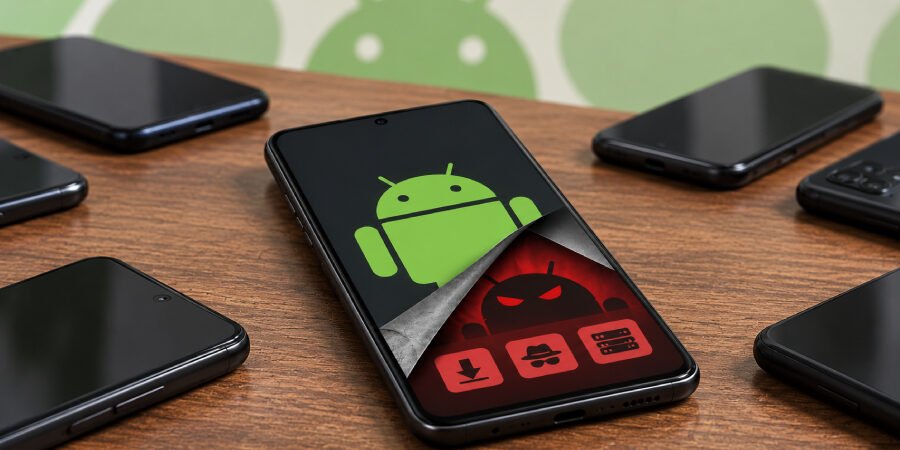
Malware Found in Low-Cost Android Phones Turning Them Into Proxies
Introduction to the Security Threat
The recent discovery of preinstalled malware in several low-cost Android smartphones has raised significant concerns about device security and privacy. This malicious software, identified by cybersecurity firm Bitdefender as “Midnight Mimosa,” exploits vulnerabilities within devices powered by MediaTek chipsets. The implications for users and the broader digital ecosystem are alarming, as this malware can covertly conduct operations ranging from app installations to ad fraud, effectively turning the compromised devices into residential proxies.
How Midnight Mimosa Operates
Midnight Mimosa is embedded deep within the firmware of affected smartphones, making it challenging for the average user to detect and remove. The malware is designed to enable unauthorized access to the device, allowing cybercriminals to:
- Install malicious applications without user consent.
- Engage in advertising fraud, generating revenue through fake ad clicks.
- Use the device as a residential proxy for various nefarious activities.
By utilizing these functionalities, attackers can leverage the compromised devices to hide their identities, making it harder for authorities to trace illegal actions back to them.
Impact on User Privacy and Data Security
The existence of such malware poses severe risks to user privacy. Consumers who purchase these low-cost devices often do so for economic reasons, unaware of the potential hidden dangers. With Midnight Mimosa controlling device functionality, personal data such as location, contacts, and browsing habits can be exposed to third parties. Furthermore, users may unknowingly become part of larger botnet operations, contributing to widespread cybercrime.
Industry Response and Recommendations
In light of these findings, security experts are urging manufacturers to prioritize quality control and conduct thorough security audits of their devices, especially those within the low-cost segment. Here are some recommended actions:
- Implement strict firmware testing protocols to detect malware before devices reach consumers.
- Educate consumers about the risks associated with low-cost devices and the importance of purchasing from reputable brands.
- Encourage end-users to regularly update their software and utilize antivirus solutions to mitigate threats.
In the best interest of user safety, transparency must be prioritized, and consumers should be kept informed about the security features of their devices.
Conclusion
The infiltration of malware like Midnight Mimosa into low-cost Android smartphones exposes significant vulnerabilities within the mobile technology ecosystem. As cyber threats evolve, it becomes crucial for manufacturers, security firms, and consumers to work collaboratively in identifying and mitigating these risks. Ensuring that security measures are in place and fostering awareness about potential threats can help safeguard against future incidents and protect user data on a larger scale.
Source: thehackernews.com