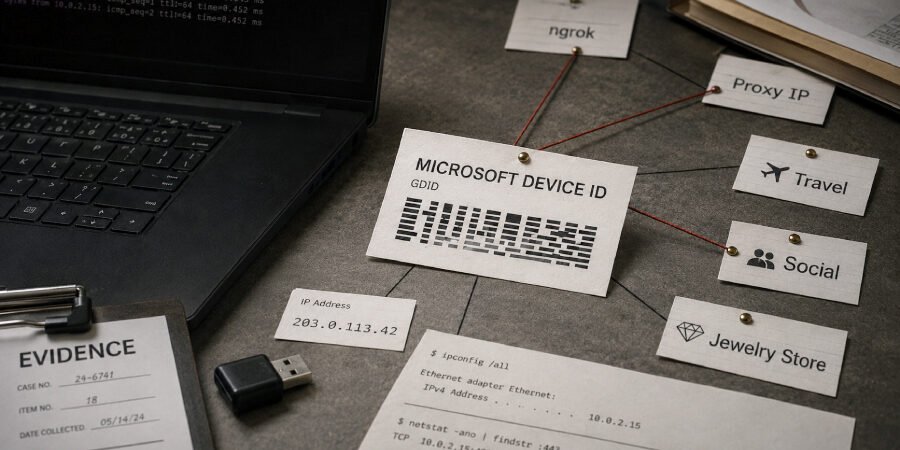
How Windows Device IDs Are Key in Tracing Cybercriminals: The Case of Peter Stokes
Introduction to the Case
In a significant development in the realm of cybercrime investigations, U.S. prosecutors have leveraged a persistent Windows device ID to connect 19-year-old Peter Stokes to a high-profile hack of a luxury jewelry retailer. This incident, which occurred in May 2025, has brought to light the intricate ways in which digital footprints can be utilized to uncover the identities of alleged cybercriminals.
Understanding the Role of Windows Device IDs
A Windows device ID serves as a unique identifier for each device running the Windows operating system. It is intrinsically linked to user accounts and facilitates various Microsoft services. In the context of cybersecurity, this identifier can provide invaluable insights during investigations, as it can help trace the origins of unauthorized access or malicious activity.
The Hack and Its Implications
The break-in at the luxury jewelry retailer highlighted not only the vulnerabilities present in high-stakes retail environments but also the potential for advanced investigative techniques to combat cybercriminals. During the May incident, the attackers maintained their presence through a series of sophisticated maneuvers that ultimately led to the unearthing of valuable data linked back to Stokes.
- Persistent Access: The attackers utilized the Windows device ID to maintain access over an extended period.
- Linking Digital Accounts: The investigation revealed connections between the device ID and various online accounts attributed to Stokes.
- Legal Ramifications: The case underscores the importance of computer forensics in tracking and prosecuting cybercriminals.
The Legal Proceedings and Technology Connection
As federal officials unsealed the complaint against Stokes, it became apparent that traditional forensic techniques were augmenting digital investigations. The prosecution’s ability to link a physical device ID to a suspect illustrates the evolution of evidence gathering in the digital age. Expert analysis indicates that this could set a precedent for future cases involving cybercrimes.
- Future of Cybersecurity: Similar strategies could become more common as cyberattacks continue to rise.
- Encryption and Privacy: The case raises questions about user privacy and how real-time data can be accessed for investigation purposes.
- Impact on Retail Security: Retail sectors may need to revisit their cybersecurity protocols in light of such incidents.
Expert Opinions on Current Cybersecurity Practices
Experts in cybersecurity have weighed in on the implications of this case. Many argue that while the use of device IDs is an effective tactic, it also illuminates the need for stringent privacy norms to protect genuine users from potential overreach by authorities.
- Michael Johnson, Cybersecurity Analyst: “This incident is a wake-up call for retailers. The intersection of digital evidence and law enforcement is becoming increasingly blurred.”
- Dr. Emily Tran, Digital Privacy Advocate: “While catching criminals is essential, we must ensure that users’ rights are respected in this digital age.”
Conclusion
The case against Peter Stokes serves as a noteworthy example of how technological advancements are being harnessed in the fight against cybercrime, as well as the ethical implications surrounding user privacy. As the landscape of digital security evolves, a balanced approach that considers both law enforcement needs and individual rights will be crucial for creating a safer digital ecosystem.
Source: thehackernews.com