Unmasking the Most Wanted Phishing Kits: Techniques That Bypass Security Barriers
Background and Context
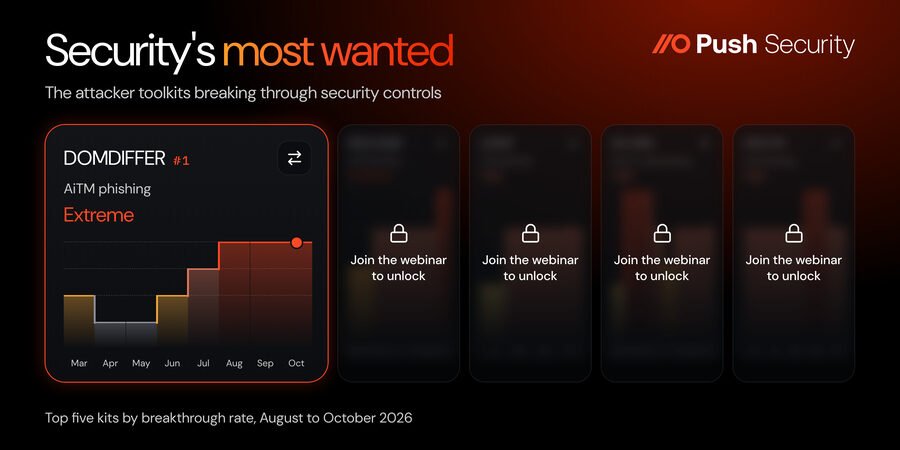
The cybersecurity landscape has undergone significant evolution over the past decade, particularly in the realm of phishing attacks. As organizations ramp up their defenses, the tactics employed by attackers become increasingly sophisticated. In this environment, certain phishing kits have emerged as notorious players, consistently bypassing security controls such as email filtering, web gateways, and safe browsing measures. According to a recent report from Push Security, these kits are notable for their high “breakthrough rate,” a term used to describe the percentage of phishing attempts that successfully evade detection mechanisms.
This discussion is timely and critical; as remote work becomes the norm, the attack surface for phishing campaigns widens. In 2021 alone, phishing incidents rose by over 50% compared to the previous year, highlighting the growing urgency for organizations to bolster their defenses. Furthermore, the financial implications of successful phishing attacks can be devastating, with estimates suggesting that companies lose billions annually due to these schemes. The need for awareness and proactive measures is more pressing than ever.
Historically, phishing attacks have leveraged social engineering tactics to manipulate users into divulging sensitive information. However, the emergence of advanced phishing kits has transformed these attacks into a more automated and lethal threat. By understanding the dynamics behind these kits, organizations can better prepare themselves against potential breaches and data loss, making it a vital area of focus for cybersecurity professionals.
Technical Analysis
Phishing kits that achieve high breakthrough rates typically employ a variety of advanced techniques to outsmart traditional security measures. At their core, these kits often utilize **malicious payloads** that are designed to mimic legitimate services, making it difficult for users and automated systems to differentiate between the two. For instance, they may clone the appearance of popular websites, complete with authentic-looking login forms that capture credentials before users realize they have been deceived.
Moreover, sophisticated **domain generation algorithms (DGAs)** allow these kits to dynamically generate URLs that can evade blacklisting. By frequently changing their domain names, attackers can maintain access to their malicious sites long enough to execute their schemes before security teams can respond. This technique not only complicates detection but also enables attackers to automate the phishing process, allowing them to scale their operations significantly.
Additionally, many advanced phishing kits utilize **evading tactics** such as IP address rotation and the use of encrypted communication channels. By routing traffic through various proxies or utilizing HTTPS, attackers can conceal their activities from conventional security measures. This level of sophistication poses a serious challenge to organizations striving to safeguard sensitive data, as traditional security infrastructure often struggles to keep pace with these evolving threats.
Scope and Real-World Impact
The impact of these advanced phishing kits is far-reaching, affecting a wide array of users, organizations, and sectors. Industries ranging from finance to healthcare have reported significant breaches attributed to phishing attacks, with the potential for sensitive data, financial records, and personal information to be compromised. For example, the notorious SolarWinds attack in 2020, which involved sophisticated phishing techniques, underscored how even the most secure environments are vulnerable to such threats.
Comparatively, the current phishing landscape is characterized by a greater volume of attacks utilizing these advanced kits. In the past, phishing campaigns were often less targeted and more reliant on mass emails; however, today’s attackers are adept at personalizing their approaches, making them more effective. The ramifications extend beyond individual organizations; entire ecosystems can be jeopardized, leading to data breaches that ripple through supply chains.
Attack Vectors and Methodology
- **Initial Contact**: Attackers send phishing emails that appear legitimate, often using social engineering to entice users to click on malicious links.
- **Landing Page**: Users are directed to a cloned website designed to look like a trusted service, where they are prompted to enter sensitive information.
- **Data Harvesting**: Information entered by users is captured by the phishing kit, which then sends the data to the attacker’s command and control server.
- **Evading Detection**: The kit employs techniques such as domain generation and IP rotation to prevent detection by security systems.
- **Monetization**: Finally, attackers sell the harvested data on underground forums or use it to commit fraud.
Mitigation and Defense Recommendations
- **User Training**: Regular phishing awareness training can help employees recognize suspicious emails and reduce the likelihood of falling victim to attacks.
- **Multi-Factor Authentication (MFA)**: Implementing MFA adds an extra layer of security, making it more difficult for attackers to gain unauthorized access even if credentials are compromised.
- **Email Filtering**: Invest in advanced email filtering solutions that leverage machine learning to identify and block phishing attempts before they reach inboxes.
- **Regular Security Audits**: Conduct frequent assessments of security protocols to identify vulnerabilities and ensure that phishing defenses are up to date.
- **Incident Response Plan**: Develop a robust incident response plan that includes procedures for addressing phishing attacks quickly and effectively.
Industry Implications and Expert Perspective
As phishing kits continue to evolve, the implications for the cybersecurity industry are profound. Organizations must adapt by adopting a proactive security posture that emphasizes not just prevention but also detection and response. The emergence of more sophisticated phishing techniques may strain existing security infrastructures, necessitating greater investment in advanced threat intelligence and automated response systems.
Experts agree that collaboration among industry players will be crucial in the fight against phishing. Information sharing between organizations can help identify emerging threats and develop effective countermeasures. As attackers become more resourceful, the cybersecurity community must match their ingenuity with equally innovative defensive strategies.
Conclusion
The rise of advanced phishing kits presents a formidable challenge to organizations worldwide. As these tools continue to bypass security measures, understanding their operation becomes essential for effective defense. By adopting comprehensive training, implementing robust security protocols, and fostering collaboration within the industry, organizations can fortify their defenses against the ever-evolving threat landscape.
Original source: thehackernews.com