Malicious NuGet Packages Exploit Job Assessments to Deliver Malware to .NET Developers
Background and Context
The rise of dependency management systems has revolutionized software development, allowing developers to leverage open-source libraries to accelerate their work. However, this convenience has also opened doors for malicious actors seeking to exploit vulnerabilities within these systems. The recent discovery of 13 malicious NuGet packages serves as a stark reminder of this dual-edged sword. NuGet, the official package manager for .NET, is particularly appealing to cybercriminals due to its extensive user base and the trust that developers place in it. By masquerading as legitimate packages associated with job assessments, these threats underscore a growing trend of social engineering tactics within the developer community.
Historically, similar incidents have occurred within various programming ecosystems. For instance, in 2020, malicious npm packages targeting JavaScript developers raised alarms for embedding malware within libraries that were widely downloaded. In both cases, the attackers exploit the developers’ trust and the urgency of job-seeking scenarios to lower their defenses. The implications are profound, as the potential for data breaches and system compromises escalates when malicious software finds its way into development environments, leading to dire consequences for organizations and their clients.
As the cybersecurity landscape evolves, the importance of vigilance among developers cannot be overstated. With remote work becoming the norm, many are turning to online coding assessments as a means to land jobs, making them prime targets for such deceptive schemes. The combination of the COVID-19 pandemic’s impact on hiring practices and the rapid increase in software dependency usage creates a fertile ground for cybercriminals to thrive. Recognizing this trend is essential for both individual developers and organizations as they navigate an increasingly complex threat environment.
Technical Analysis
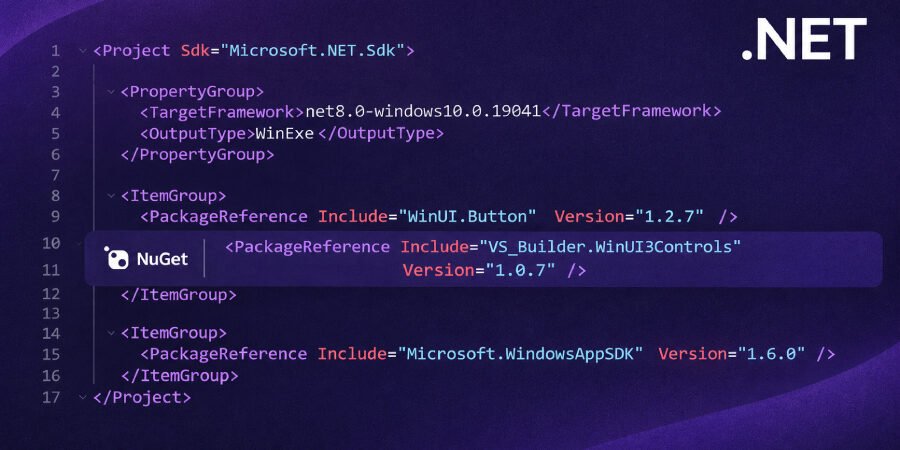
The malicious NuGet packages identified by researchers from Socket leverage social engineering techniques to entice developers into downloading them under the guise of legitimate software components, specifically targeting Windows Presentation Foundation (WPF) and WinUI 3 button controls. Once installed, these packages execute arbitrary code that often leads to the installation of additional malware, effectively transforming the development environment into a playground for cybercriminals. This tactic is especially insidious as it circumvents traditional security measures, often blending in seamlessly with legitimate development activities.
Upon installation, the malicious packages can establish a backdoor, enabling attackers to gain unauthorized access to the developer’s machine. This access can be exploited to exfiltrate sensitive information, including personally identifiable information (PII) and proprietary code. In some instances, the malware may also be designed to further propagate itself within an organization’s network, thereby amplifying the potential impact of the initial compromise. This multi-faceted approach underscores the necessity for robust security protocols in software development environments.
The analysis of the malicious packages revealed a concerning trend: they were not standalone threats but rather components of a broader ecosystem of attacks. This interconnectedness implies that securing one aspect of the development pipeline is inadequate; rather, a holistic approach to cybersecurity is critical. Additionally, the methodical use of fake job assessments to lure developers indicates a calculated strategy aimed at exploiting the vulnerabilities inherent in the job-seeking process, raising alarms about the lengths to which attackers are willing to go.
Scope and Real-World Impact
The implications of these findings extend beyond individual developers; they pose a significant risk to organizations that rely on .NET frameworks for their applications. As developers unwittingly integrate these malicious packages into their projects, the potential for widespread damage escalates. Affected users may include not only independent developers but also teams within larger organizations that utilize NuGet for their development needs. The exposure of sensitive data could lead to costly breaches, reputational damage, and legal ramifications.
Comparing this incident to previous vulnerabilities, such as the SolarWinds breach, highlights the systemic risks associated with supply chain attacks. In both scenarios, trusted sources were compromised, leading to cascading effects across multiple organizations. As the cybersecurity landscape continues to evolve, the need for heightened awareness and improved security measures becomes even more apparent.
Attack Vectors and Methodology
- The attacker creates and publishes malicious NuGet packages disguised as legitimate software components.
- Developers searching for job assessment tools download and install these packages, believing them to be safe.
- Upon installation, the packages execute code that establishes a connection to a remote server controlled by the attacker.
- Malware is then downloaded and executed, allowing the attacker to gain unauthorized access to the developer’s machine.
- Potential data exfiltration and further propagation of the malware within the organization’s network ensue.
Mitigation and Defense Recommendations
- Implement stringent code review practices to scrutinize third-party packages before integration.
- Educate developers on the importance of verifying package sources and checking for community feedback.
- Utilize automated security scanning tools that can identify and flag suspicious packages.
- Establish a clear protocol for reporting and responding to suspicious packages or incidents.
- Keep all development environments up to date with the latest security patches and updates.
Industry Implications and Expert Perspective
The discovery of these malicious NuGet packages signals a broader trend within the cybersecurity landscape where attackers increasingly target software supply chains. Experts agree that as dependency management systems become more entrenched in development processes, they will continue to be attractive targets for cybercriminals. The reliance on third-party packages means that a single compromised package can have downstream effects across multiple organizations, exacerbating the risks associated with software development.
In response, the industry must prioritize the establishment of comprehensive security frameworks that encompass the entire development lifecycle. This includes fostering a culture of security awareness among developers and integrating security measures into the DevOps pipeline. The long-term consequences of failing to address these threats could lead to significant financial losses and a crisis of trust in software ecosystems.
Conclusion
The recent discovery of malicious NuGet packages illustrates a pressing need for vigilance among software developers and organizations alike. As cybercriminals refine their tactics, the barriers to entry for launching sophisticated attacks continue to diminish. Developers must remain aware of the potential pitfalls as they navigate the complexities of modern software development, especially when it comes to integrating third-party packages. By implementing robust security measures and fostering a culture of awareness, the industry can better protect itself against these evolving threats.
Original source: thehackernews.com