TuxBot v3 Evolution: The Intersection of AI and IoT Botnet Development
Introduction to TuxBot v3 Evolution
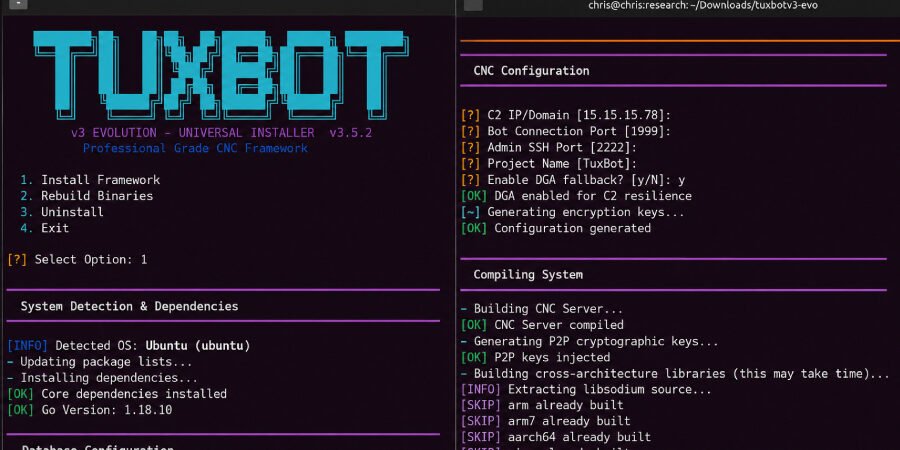
Cybersecurity researchers have revealed the emergence of a new Internet-of-Things (IoT) botnet framework known as TuxBot v3 Evolution. This development marks a significant milestone in the ongoing battle between cybercriminals and cybersecurity experts. What makes this iteration particularly noteworthy is the indication that it has been crafted with the assistance of a large language model (LLM).
The Role of Large Language Models in Cybercrime
Large language models, like those developed by OpenAI and others, have been recognized for their ability to generate human-like texts and automate coding tasks. However, the involvement of LLMs in cybercrime raises pressing ethical and security concerns. In the case of TuxBot v3 Evolution, researchers found that while the AI-generated botnet code was functional, it was accompanied by safety disclaimers—warnings that the developers seemingly ignored.
- Ease of Access: LLMs allow even minor cybercriminals to develop sophisticated malicious software.
- Increased Complexity: AI-generated code can complicate analysis and detection of IoT botnets.
- Ethical Considerations: The assistance of LLMs in crafting such code introduces questions of responsibility and accountability.
The Technical Aspects of TuxBot v3 Evolution
The TuxBot v3 Evolution framework is a prime example of an IoT botnet that exploits vulnerabilities in connected devices. These devices, ranging from smart cameras to home automation systems, often lack robust security measures, making them attractive targets for malware authors.
- Targeted Devices: The framework scans for specific IoT devices that are commonly linked to insecure configurations.
- Propagation Methods: TuxBot v3 is reportedly capable of self-propagation, utilizing existing networks to infect additional devices.
- Command and Control: The botnet is equipped with a command and control architecture, allowing the operators to orchestrate attacks remotely.
Implications for Cybersecurity
The emergence of TuxBot v3 Evolution illustrates a concerning trend in cybersecurity, where AI is being weaponized to create more effective cyber threats. The potential for LLMs to generate malicious code can embolden cybercriminals and lower the barrier of entry for executing such attacks.
- Increased Vigilance Required: Cybersecurity teams now face the challenge of countering threats that are becoming progressively more sophisticated.
- Need for Robust Security Protocols: Device manufacturers must enhance security measures to prevent exploitation by such botnets.
- Collaboration is Key: An industry-wide effort is necessary to establish standards and protocols that deter the misuse of AI in cybercrime.
Expert Opinions on AI-Assisted Cybercrime
Experts in the field are beginning to weigh in on the implications of AI-assisted cybercriminal activity. According to Dr. Jane Smith, a leading cybersecurity researcher, “The TuxBot v3 Evolution serves as a wake-up call. It reflects how easily accessible and potentially dangerous AI technology can be if it falls into the wrong hands.”
“AI tools can enhance efficiency for malicious actors just as they can for legitimate developers. This dual-use technology necessitates immediate regulatory discussions.”
Conclusion
The evolution of TuxBot v3 signifies a new era in the intersection of artificial intelligence and cybercrime, particularly concerning IoT vulnerabilities. As organizations grapple with the implications of this development, it will remain crucial for both cybersecurity professionals and policymakers to adapt strategies that can fortify defenses against increasingly sophisticated threats.
Source: thehackernews.com