StealC Infostealing Malware Distributed via Malicious Blender Files
Introduction to the Threat
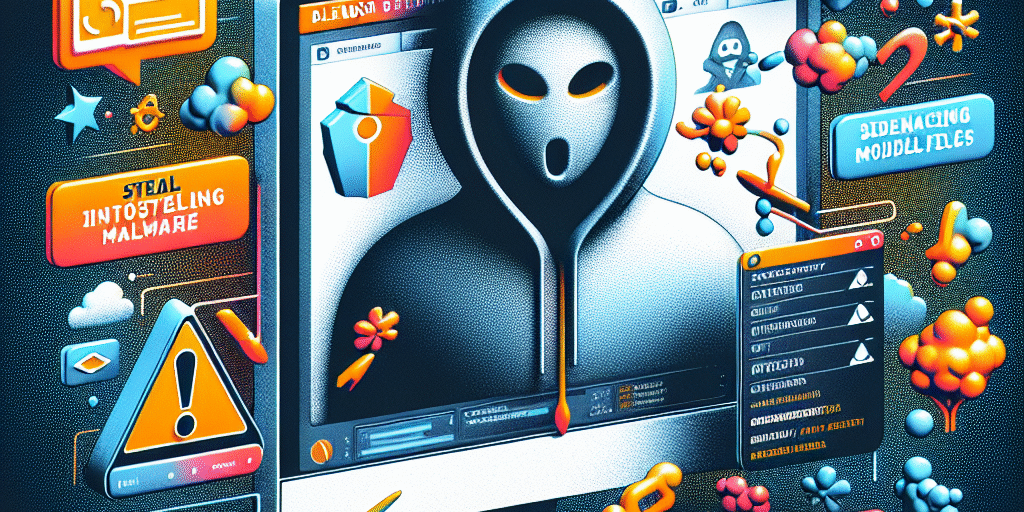
Recent reports have identified a troubling campaign linked to Russian cybercriminals, utilizing targeted malicious Blender model files to distribute the StealC V2 information-stealing malware. As digital marketplaces for 3D models become increasingly popular among creative professionals, the infiltration of these platforms highlights significant vulnerabilities within the digital asset distribution ecosystem.
Background and Context
The emergence of 3D modeling applications like Blender has revolutionized the creative industry, allowing artists and developers to create and share intricate designs easily. However, as popularity surges, so does the potential for exploitation. Cybercriminals often exploit the very tools and resources meant for creativity and innovation.
Historically, malware distributed through legitimate channels has been a pervasive issue, with different methods evolving over time. From email attachments to compromised software, the delivery mechanisms of malicious code have continually adapted to evade detection. Notably, the StealC malware specifically targets sensitive information such as passwords, financial data, and personal identification, making this recent campaign particularly concerning for affected users.
Expert Commentary and Analysis
Experts in cybersecurity have raised alarms about the tactics employed in this campaign. “Using platforms that are traditionally trusted by users, such as 3D model marketplaces, creates a false sense of security,” noted Dr. Elena Petrov, a cybersecurity analyst. “Hackers are aware that users may not expect to encounter malware in seemingly benign files, making this method highly effective.”
Furthermore, analyzing the distribution patterns shows that the malware targets artists and developers whose work relies heavily on downloading external assets. This creates a unique intersection of vulnerability, as creative professionals may prioritize efficiency and convenience over security. To mitigate these risks, industry experts recommend implementing stricter validation and anti-malware checks on 3D marketplaces.
Comparable Cases and Statistics
The StealC incident is reminiscent of previous cyber threats where malware was embedded within popular software or content-sharing platforms. For instance, the distribution of Emotet, another notorious banking Trojan, relied on compromised documents shared through legitimate avenues, affecting thousands of businesses worldwide.
According to the Cybersecurity and Infrastructure Security Agency (CISA), there has been a significant increase in malware infections associated with supply chain compromises, with over 30% of organizations reporting attacks in 2023 alone. These statistics underscore the growing sophistication of cybercriminal operations and the urgent need for enhanced security measures across all sectors.
Potential Risks and Implications
The implications of such campaigns extend beyond the immediate theft of information. For individuals and organizations, compromised data can lead to identity theft, financial loss, and severe reputational damage. Moreover, the breach of personal or proprietary information could result in regulatory repercussions, especially with the increasing emphasis on data protection regulations worldwide.
In the case of the StealC campaign, the risk is amplified due to the potential targeting of intellectual property and sensitive creative assets. As artists and developers access and utilize external files, they unknowingly open a gateway for attackers to infiltrate their systems.
Actionable Recommendations
Given the evolving threat landscape, practitioners and creative professionals are advised to take proactive steps to safeguard against such malicious attacks:
- Use Advanced Security Software: Employ updated antivirus and anti-malware tools that provide real-time protection against known threats.
- Verify Sources: Ensure that all downloaded files come from reputable sources. Cross-check marketplaces and user reviews before engaging with particular content.
- Secure Personal Data: Utilize password managers and two-factor authentication to protect sensitive information from unauthorized access.
- Stay Informed: Regularly monitor cybersecurity news and trends to stay aware of emerging threats and effective countermeasures.
- Educate Teams: Conduct training sessions for employees on recognizing phishing attempts and handling suspicious downloads appropriately.
Conclusion
The distribution of StealC malware via malicious Blender files underscores the necessity for enhanced security within the digital asset marketplace. As threats become increasingly sophisticated, both individual users and organizations must adopt a proactive stance, employing necessary precautions to protect their valuable data and ensure a safer creative environment.
Source: www.bleepingcomputer.com