Serious Security Flaw in Opera GX Exposed Users to Data Theft via Malicious Add-ons
Introduction to the Opera GX Vulnerability
Opera GX, a gaming-centric web browser developed by Opera Software, recently came under scrutiny due to a critical security vulnerability. This flaw allowed malicious websites to automatically install browser extensions, compromising user data without any user interaction. The implications of this vulnerability are significant, especially considering the growing usage of browsers among gamers who often engage in online activities that require passing sensitive information.
Details of the Vulnerability
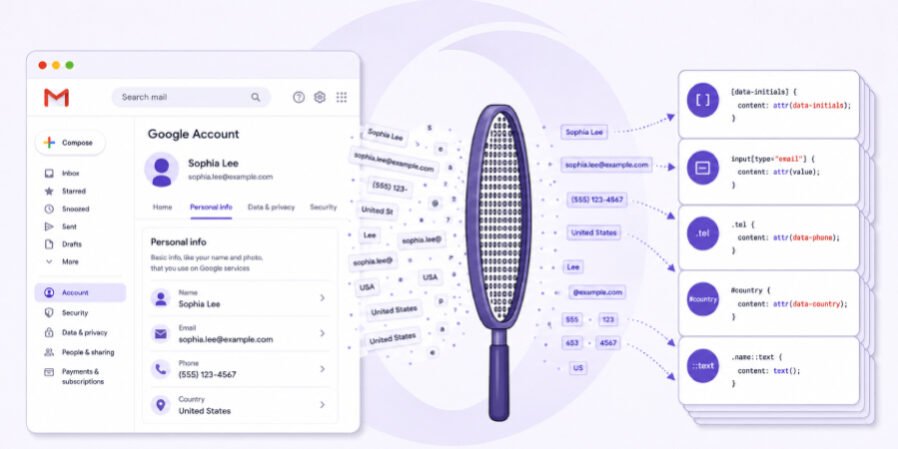
Researchers uncovered that the vulnerability enabled malicious sites to deploy browser add-ons seamlessly. Once installed, these add-ons could potentially access and extract data from pages that users visit. A particularly alarming demonstration revealed that a user’s complete Gmail address could be reconstructed from just one visit to a compromised site, without need for any clicks or confirmations from the victim.
Technical Mechanics of the Flaw
The flaw took advantage of a weakness in the Opera GX’s handling of extension permissions. Specifically, it allowed unauthorized websites to initiate the installation process of add-ons signed by the Opera software. The ease with which malicious entities could exploit this vulnerability raises questions about the security frameworks in place within browsers.
- Silent installation: Users were unaware of the installation process, making it harder for them to defend against such attacks.
- Data extraction: Once installed, the malicious add-ons could access sensitive information, including email addresses and potentially other private data.
- Impact on gamers: Given Opera GX’s target audience, many users may not be as cautious as those using traditional browsers, increasing risk exposure.
Response from Opera Software
Following the revelation of this vulnerability, Opera Software promptly issued a patch to address the security flaw. The company stated that to date, it has found no indications that the flaw was actively exploited in the wild. This swift response is indicative of an awareness of the importance of user trust and security in today’s digital landscape.
Implications for Users and Developers
This incident underscores the necessity for ongoing vigilance among both users and developers regarding browser security. For users, this situation highlights the importance of being cautious about the websites they visit and any permissions they grant to browser extensions. Developers, on the other hand, are reminded to reinforce their security protocols and regularly update their systems to mitigate risks.
Expert Analysis on Future Prevention
Cybersecurity experts suggest that browsers need to implement stricter protocols when it comes to add-on installations. Possible measures could include:
- Enhanced user consent: Require explicit permission for add-on installations and ensure users are fully aware of what data will be accessible.
- Regular audits: Conduct thorough security audits of existing add-ons to identify any potential weaknesses.
- Improved user education: Inform users about the risks associated with unauthorized sites and the importance of maintaining updated browser security.
Conclusion
The Opera GX security flaw is a stark reminder of the vulnerabilities that exist within modern web browsers. As technology continues to evolve, so too does the sophistication of cyber threats. With the patch now in place, it remains essential for users to stay informed and vigilant, ensuring that their digital safety is prioritized in all online activities.
Source: thehackernews.com