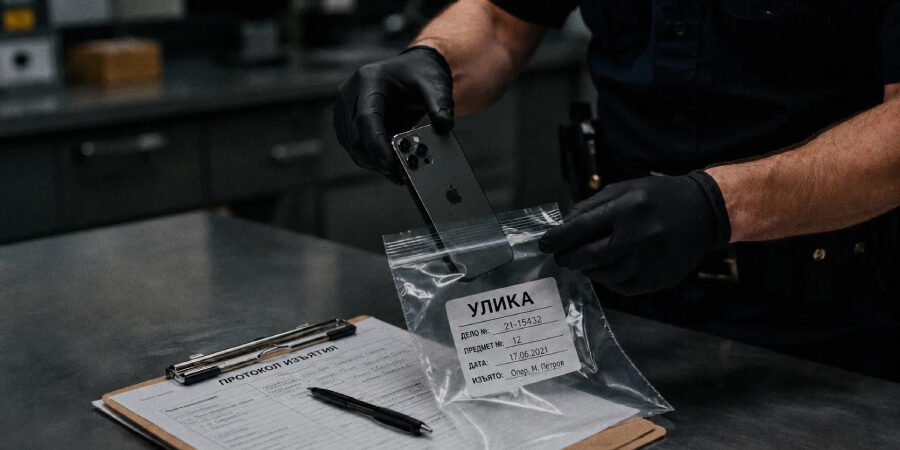
Russia’s Use of Cellebrite’s Forensic Tools on Detained Activist Raises Ethical Concerns
Introduction
In a startling revelation, it has come to light that Russian authorities exploited Cellebrite’s forensic technology to breach the iPhone of jailed opposition activist Andrey Pivovarov in June 2021. This incident occurred merely three months after Cellebrite publicly announced its intention to cease sales of its tools and services to Russia and Belarus. This situation highlights significant implications for both the tech industry and the ethical considerations surrounding the use of digital forensics.
Background on Cellebrite
Cellebrite, an Israeli digital intelligence firm, is well-known for its Universal Forensic Extraction Device (UFED), which can extract data from various devices, including smartphones. The company’s tools are utilized by law enforcement and governments worldwide to investigate crimes and gather digital evidence. However, Cellebrite has faced criticism for its role in oppressive regimes’ surveillance activities.
Details of the Incident
The findings regarding the use of Cellebrite’s technology on Pivovarov’s phone were published by the Citizen Lab on June 25, 2021. The analysis revealed that traces on Pivovarov’s iPhone, in conjunction with an official Russian document, confirmed that the authorities successfully used Cellebrite’s tools to access his device.
- Pivovarov, a prominent opposition figure, was arrested in May 2021 on charges related to organizing an undesirable organization.
- The data extraction reportedly involved sensitive information that could be used against him in the ongoing political crackdown in Russia.
Legal and Ethical Implications
This incident raises important legal and ethical questions. Despite Cellebrite’s claim to halt operations in Russia, the ability of authoritarian regimes to access advanced forensic tools underscores a severe oversight in the enforcement of ethical compliance by tech companies.
- Responsibility of Tech Companies: There is a pressing need for tech companies to implement stringent measures ensuring that their products do not aid oppressive regimes.
- Regulatory Framework: Governments may need to develop stronger regulations concerning the export of forensic technology to nations with questionable human rights records.
Expert Analysis
Industry experts have expressed grave concerns about the implications of this incident not only for privacy rights but also for the potential escalation of digital warfare in authoritarian contexts. Digital rights advocate and privacy experts stress that the proliferation of powerful forensic tools without safeguards can facilitate human rights abuses.
Global Responses
The international community has responded with calls for stricter regulations on the sale of surveillance technology to authoritarian governments. Activist groups and human rights organizations are advocating for greater transparency in how tech companies operate in politically sensitive environments.
Conclusion
The breach of Andrey Pivovarov’s iPhone using Cellebrite’s tools serves as a stark reminder of the urgent need for tech companies to rethink their ethical responsibilities in the global marketplace. This incident not only threatens individual privacy but also underscores the potential for digital forensics to become instruments of oppression. Going forward, tech companies must prioritize ethical compliance and transparency to prevent their technologies from being misused.
Source: thehackernews.com