New Zero-Click Browser Attack Threatens Google Drive Integrity
Background & Context
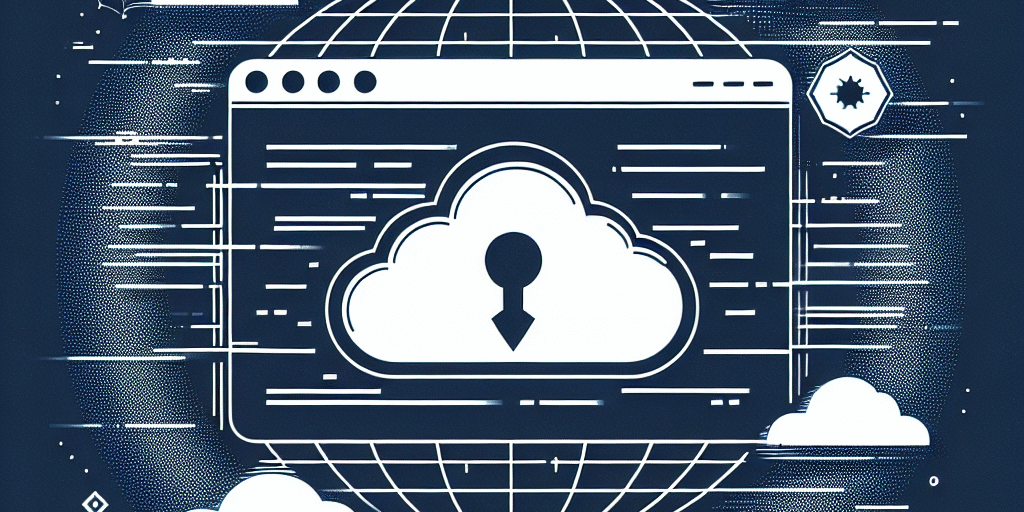
The emergence of the zero-click agentic browser attack represents a significant escalation in cybersecurity threats, particularly targeting users of the Perplexity Comet browser. As reliance on cloud storage and integrated web services has grown, the need for robust security measures cannot be overstated. In recent years, incidents involving unauthorized data access and manipulation have surged, with attackers increasingly leveraging sophisticated techniques that require little to no user interaction—an alarming trend that highlights the vulnerabilities inherent in modern browsing experiences.
According to cybersecurity experts, the integration of web services, such as Gmail and Google Drive, has created a double-edged sword. While these services enhance user convenience by automating functions and streamlining workflows, they also amplify risks. The ability to execute commands remotely can be exploited if a user inadvertently opens a specially crafted email, which can trigger harmful actions without the user’s knowledge. This zero-click attack exemplifies the grave repercussions of such vulnerabilities.
Expert Commentary & Analysis
Cybersecurity analysts are sounding the alarm regarding the implications of the zero-click Google Drive Wiper technique. “This is not just a simple malware infection,” stated Dr. Jane Thompson, a leading expert in browser security. “It represents a paradigm shift in how attacks can be conducted, targeting the very foundations of user trust in cloud services.” Dr. Thompson further highlighted that this method’s effectiveness lies in the ability to engage with user data through familiar and seemingly benign email interactions.
The consequences of such an attack extend beyond the immediate loss of data; they can undermine a user’s trust in critical cloud infrastructures. As cloud services become increasingly ubiquitous in both personal and professional spheres, the ramifications could be extensive if users begin to perceive these platforms as insecure.
Comparative Cases and Historical Precedents
Historically, zero-click vulnerabilities have been observed across various platforms. One of the most notable cases involved the Pegasus spyware, which utilized similar methodologies to infiltrate mobile devices without user consent or interaction. Such precedents underscore a growing trend: attackers are becoming more adept at bypassing traditional defenses and exploiting weaknesses in system design.
Furthermore, data from the FBI’s Internet Crime Complaint Center (IC3) indicates that incidents of data breaches involving cloud platforms have doubled in the past five years. The IC3 reports emphasize that the rise of cloud services corresponds to a more pronounced vulnerability to such targeted attacks. As users become more dependent on these services, the potential for devastating data loss increases exponentially.
Understanding the Risks and Implications
The zero-click browser attack poses multifaceted risks to users and organizations alike:
- Data Loss: The most immediate concern is the total loss of data stored on Google Drive, which could be catastrophic for individuals and businesses dependent on these assets.
- Identity Theft: Automated access could lead to unauthorized transactions or the manipulation of sensitive user data.
- Reputation Damage: Organizations suffering from data breaches may face reputational harm, affecting customer trust and loyalty.
- Financial Costs: Recovery from such attacks may involve significant monetary costs, from forensic analysis to recovery efforts.
To mitigate these risks, experts recommend several actionable strategies:
- Enhanced Security Awareness: Users should be educated on the dangers of opening unfamiliar emails, even those appearing benign.
- Two-Factor Authentication: Implementing two-factor authentication across services can add an extra layer of security.
- Regular Backups: Users should routinely back up important data to mitigate the risk of total loss.
- Security Software: Utilizing updated antivirus and anti-malware solutions can help detect threats before they execute.
Conclusion
The recent zero-click agentic browser attack represents a worrying trend in cybersecurity, revealing critical vulnerabilities associated with the integration of web services. It underscores the necessity for enhanced user education and robust security practices to safeguard against sophisticated attacks aimed at trusted cloud platforms. As the digital landscape continues to evolve, so too must the strategies employed to protect sensitive user data.
Source: thehackernews.com