N8n Supply Chain Attack: Exploiting Community Nodes for OAuth Token Theft
Background and Context
The recent supply chain attack targeting the n8n automation platform underscores a significant threat within the software development ecosystem, particularly related to the management of open-source packages. N8n is an open-source workflow automation tool that enables users to connect various applications and services seamlessly, making it a valuable resource for developers and businesses alike. However, its reliance on community-contributed nodes also presents vulnerabilities that malicious actors can exploit.
Historically, supply chain attacks have increased in frequency and sophistication, reflecting a broader trend in cybersecurity where the focus is shifting from attacking end-users to compromising software supply chains. In 2020, the SolarWinds attack illustrated the potential damage such vulnerabilities can cause when they impact widely used software trusted by thousands of organizations. As the n8n incident shows, even smaller platforms can be susceptible, prompting urgent calls for improved security measures.
Details of the Attack
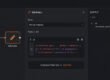
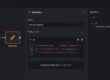
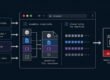
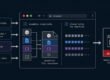
In the case of n8n, attackers uploaded a series of eight malicious packages to the npm registry, disguising them as legitimate integrations for the platform. One highlighted package, “n8n-nodes-hfgjf-irtuinvcm-lasdqewriit,” was designed to mimic a Google Ads integration. Users who unknowingly linked their accounts through this compromised node were at risk of having their OAuth credentials stolen, which could grant attackers unauthorized access to sensitive advertising account information.
The technical details of how these packages operate involve deceptive interfaces that request user credentials under the guise of normal application behavior. This strategy not only facilitates the theft of sensitive information but also exemplifies the sophistication of today’s cyber threats.
Expert Analysis and Commentary
Cybersecurity experts emphasize the necessity of vigilance when utilizing open-source libraries and tools like n8n. According to Dr. Emily Reynolds, a cybersecurity analyst, “This incident highlights the critical importance of code review and vetting processes when integrating third-party packages.” Organizations should implement rigorous checks before adopting new nodes or integrations, especially those from community-contributed repositories.
Furthermore, the use of automated tools for dependency management and security monitoring can significantly mitigate risks. Keeping a tight grip on the software supply chain through practices such as automated vulnerability scanners and code integrity checks can help detect suspicious modifications in real time.
Comparable Cases in Recent Cybersecurity History
Several high-profile cases have underscored the potential risk of supply chain vulnerabilities. The aforementioned SolarWinds attack breached the networks of numerous U.S. government agencies and private corporations by compromising the software update process of a widely used IT management product. Similarly, the Codecov incident in early 2021 revealed how attackers exploited a vulnerability in Codecov’s Bash Uploader to access user environments.
Statistically, according to research by Check Point Software, 64% of organizations report experiencing a supply chain attack in 2022. This alarming trend highlights the need for organizations to enhance their defenses and build resilience against such threats.
Potential Risks and Implications
The implications of the n8n supply chain attack extend far beyond individual developers or businesses. OAuth tokens are particularly sensitive as they provide access to user accounts without exposing passwords. If compromised, attackers can manipulate advertising accounts, access user data, and engage in fraudulent activities. This not only jeopardizes the security of affected brands but can also lead to financial ramifications, loss of customer trust, and regulatory scrutiny.
Organizations using n8n or similar platforms must be aware of the following potential risks:
- Unauthorized access to sensitive information.
- Exposure to reputation damage due to compromised user accounts.
- Financial losses related to fraudulent activities or resource exploitation.
- Legal liabilities and compliance issues resulting from breaches of data protection laws.
Actionable Recommendations
To safeguard against similar attacks, organizations should consider implementing the following security practices:
- Conduct thorough due diligence by reviewing the source and integrity of any external packages before use.
- Implement a process for periodic audits of the packages to ensure their legitimacy and security.
- Leverage automated tools to monitor dependencies and identify vulnerabilities in real time.
- Establish a robust incident response plan that outlines how to handle potential security breaches, focusing on timely communication and remediation.
- Educate teams on secure coding practices and the importance of verifying third-party integrations.
Conclusion
The n8n supply chain attack serves as a stark reminder of the vulnerabilities entailed in relying on community-driven open-source packages. As supply chain threats continue to evolve, both developers and organizations must remain vigilant and proactive in implementing comprehensive security measures. By prioritizing rigorous package vetting processes, employing automated security tools, and fostering an informed development culture, organizations can better protect themselves from similar risks in the future.
Source: thehackernews.com