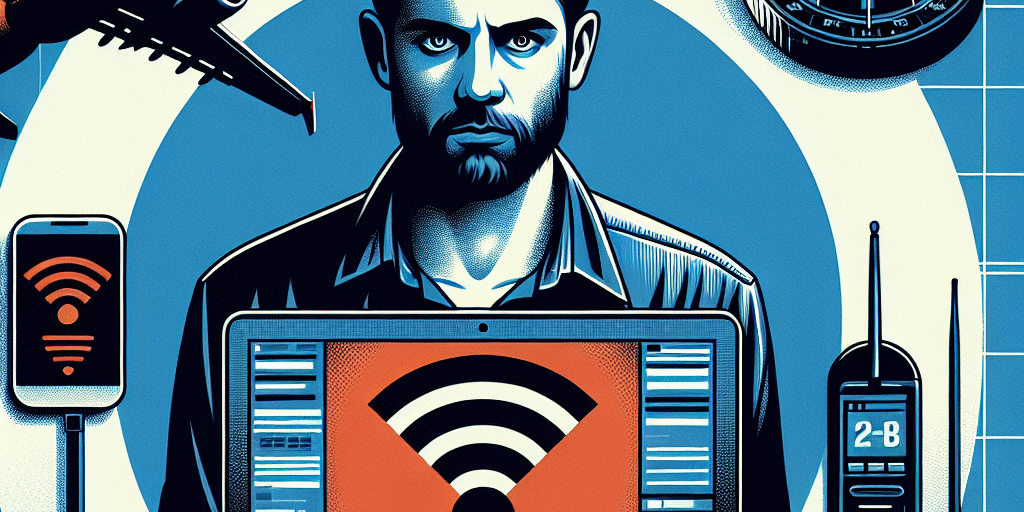
Man Sentenced to Seven Years for In-Flight WiFi Data Theft
Background on WiFi Network Threats
The rise of mobile technology has transformed the way individuals access information and communicate while traveling. However, it has also led to an increase in cybercrime, particularly in the realm of public WiFi networks. Hackers have developed various methods to exploit these networks, and one of the most insidious techniques employed has been the use of “evil twin” WiFi attacks.
An evil twin attack occurs when a malicious actor sets up a rogue WiFi hotspot that mimics a legitimate one, tricking users into connecting to it. Once connected, the attacker can intercept sensitive data, including passwords, credit card information, and other personal details. This phenomenon has alarmed cybersecurity experts, particularly in high-traffic areas such as airports, where travelers often connect to public WiFi networks without sufficient safeguards.
The Case Against the 44-Year-Old Man
The recent sentencing of a 44-year-old man for operating such a network at airports across Australia highlights the growing threat of cybercrime in public spaces. Sentenced to seven years and four months in prison, this individual was found responsible for stealing personal information from unsuspecting travelers who connected to his malicious WiFi network. The legal ramifications of such actions underscore the seriousness with which authorities are treating cybercrime, as well as the potential consequences for offenders.
Expert Analysis: The Implications of Evil Twin Attacks
Experts in the field of cybersecurity emphasize the increasing sophistication of cybercriminals and the necessity for heightened awareness among travelers. “As more people rely on public WiFi, it becomes crucial for individuals to understand the risks associated with these networks,” says Dr. Emily Torres, a cybersecurity consultant. “Awareness and education are the first lines of defense against such attacks.”
Organizations must also play a role in preventing these incidents. Implementing robust security measures and educating employees and customers about secure internet practices can significantly reduce the likelihood of falling victim to an evil twin attack.
Comparative Cases and Statistics
This case is not isolated. According to the Identity Theft Resource Center, the number of data breaches in public spaces has steadily increased over the past five years. The 2021 Internet Crime Complaint Center (IC3) report indicated that nearly 50% of reported cyber incidents involved some form of network exploitation, including evil twin attacks.
Several similar cases have made headlines worldwide, with perpetrators facing significant jail time for their crimes. In 2020, a hacker was sentenced to five years in prison in the United States for a similar offense, emphasizing the universal nature of the threat and the consistency of judicial responses.
Potential Risks and Actionable Recommendations
The implications of evil twin WiFi attacks extend beyond individual data theft; they pose broader risks to businesses and national security. As cybercriminals become more sophisticated, the potential for significant breaches increases, potentially affecting sensitive infrastructure and high-profile targets.
To mitigate these risks, both individuals and organizations are encouraged to adopt several best practices:
- Use a Virtual Private Network (VPN): A VPN encrypts internet traffic, making it harder for attackers to intercept data.
- Verify Network Names: Always confirm the legitimacy of a WiFi network with airport staff or signage before connecting.
- Enable Two-Factor Authentication: Protect accounts with two-factor authentication to add an additional layer of security.
- Limit Sensitive Transactions: Avoid accessing sensitive information or conducting financial transactions over public WiFi.
- Educate Employees: For organizations, training staff about cyber hygiene and the specific risks associated with public networks is essential.
By engaging in these preventative measures, both individuals and organizations can shield themselves from the dangers posed by malicious actors exploiting public WiFi networks.
Conclusion
The sentencing of the 44-year-old man for conducting evil twin WiFi attacks serves as a crucial reminder of the vulnerabilities inherent in public internet usage. As the frequency of such cybercrimes continues to rise, it is imperative for both individuals and industries to remain vigilant and proactive in safeguarding their data against unauthorized access.
Source: www.bleepingcomputer.com