Malvertising Campaign SourTrade: A New Threat Model Utilizing Browser Capabilities
Introduction to SourTrade Malvertising
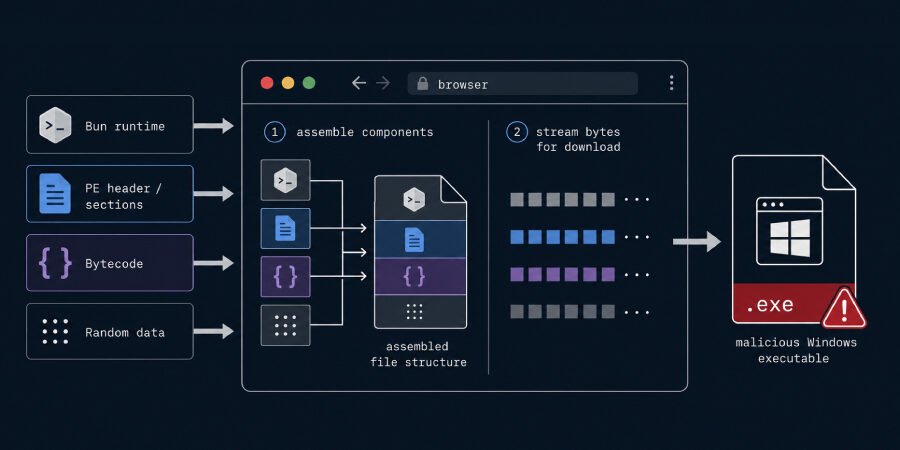
A newly identified malvertising operation, dubbed SourTrade, has emerged as a sophisticated threat targeting retail traders through misleading advertisements. This campaign, detailed by cybersecurity firm Confiant on July 23, 2026, employs an innovative technique where it forces victims’ browsers to compile malicious code into a Windows executable. Instead of delivering a complete malicious file, SourTrade leverages the Bun runtime, a legitimate and widely used tool, to obfuscate its true intent.
How SourTrade Operates
The unique approach of SourTrade signals a pivotal shift in malware distribution methods. Traditional malvertising typically involves the direct hosting of malicious files. However, SourTrade’s method involves a piecemeal delivery of its malware, leveraging the following key techniques:
- Piecemeal Transmission: The malware is transmitted in chunks, making it harder for traditional security measures to detect a full malicious payload.
- Use of Legitimate Resources: By utilizing the Bun runtime, which is legitimate software, SourTrade complicates detection efforts as it blends malicious activity with trusted processes.
- Impersonation of Reputable Services: The operation has impersonated popular platforms like TradingView, Solana, and Luno to lure unsuspecting retail traders.
Target Audience and Implications
SourTrade primarily targets retail traders, a demographic that may lack advanced cybersecurity awareness. This focus means that individuals engaging with trading and cryptocurrency platforms are at increased risk, potentially leading to significant financial losses. The implications of such targeted attacks are multifaceted:
- Financial Risk: Victims may suffer direct monetary losses from stolen funds or compromised accounts.
- Trust Erosion: Frequent impersonation of reputable brands can erode consumer trust in legitimate trading platforms.
- Broader Industry Impact: The rise of such malvertising techniques can lead to stricter regulations and heightened security measures across the trading sector.
Expert Analysis on Malvertising Trends
Industry experts suggest that the SourTrade campaign could herald a new era of malvertising that incorporates advanced evasion tactics. According to David Emm, a senior security researcher, “The incorporation of the Bun runtime to facilitate malware delivery showcases the creativity attackers are employing to bypass conventional security controls. This trend necessitates a reevaluation of detection methodologies.”
Furthermore, experts advocate for increased awareness and education among retail traders to recognize suspicious advertisements and safeguard against such threats.
Preventative Measures Against Malvertising
To combat the growing threat of malvertising, both individuals and organizations can take proactive measures:
- Ad Blockers: Utilizing reputable ad-blocking software can filter out potentially harmful advertisements before they reach the browser.
- Browser Security Settings: Ensuring that browsers are configured to block third-party cookies and limit script execution can mitigate risks.
- Regular Updates: Keeping both operating systems and applications, including runtimes like Bun, up to date is crucial to defend against known vulnerabilities.
Conclusion
The SourTrade malvertising campaign underscores an evolving landscape of cyber threats that leverage innovative techniques to execute malicious activities. As the digital trading environment becomes increasingly complex, the need for heightened vigilance and advanced security measures is paramount for both individuals and organizations alike.
Source: thehackernews.com