Itron Faces Cybersecurity Breach: Implications for the Utility Sector
Incident Overview
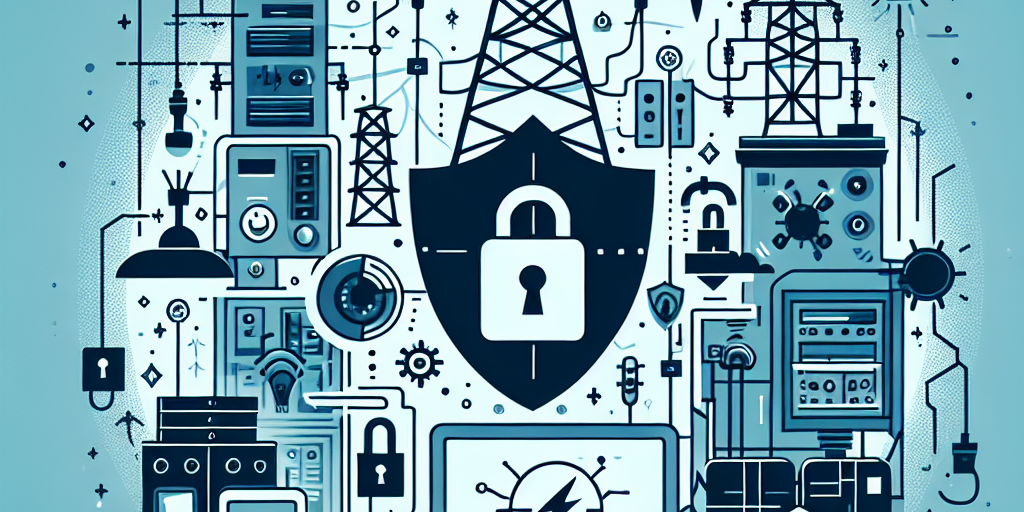
Itron, Inc., a leading American technology firm specializing in utilities and energy management, has recently reported a cybersecurity incident involving unauthorized access to its internal IT network. This breach was disclosed through an 8-K filing with the U.S. Securities and Exchange Commission (SEC) on April 26, 2026. The specific details regarding the nature of the access, the systems affected, and the data compromised have yet to be publicly disclosed, but the incident raises significant concerns regarding the safety of critical infrastructure within the utility sector.
Background and Context
Itron has been a pivotal player in the industry for over 40 years, providing technology solutions that enhance utility efficiency and customer service. As the reliance on interconnected systems grows, especially with the rise of smart meters and IoT technologies, the vulnerability of these systems to cyber threats has become increasingly evident. In recent years, public utilities have come under scrutiny for their cybersecurity protocols as more sophisticated attacks have targeted their networks.
This breach is part of a troubling trend in which utility firms have faced increasing cyber threats. The Cybersecurity & Infrastructure Security Agency (CISA) has reported a significant rise in ransomware attacks and other cyber incidents impacting critical infrastructure, highlighting the need for stringent security measures. The implications of such breaches can extend beyond financial loss; they can pose risks to public safety and national security as well.
Expert Commentary and Analysis
Cybersecurity experts view this incident at Itron as a wake-up call not just for the company but for the entire utility sector. “The interconnected nature of modern utility systems means that a breach in one area can have cascading effects on others,” warns cybersecurity consultant Dr. Amanda Kline. “It’s crucial for companies to maintain robust security protocols, conduct regular assessments, and invest in the latest technologies to defend against emerging threats.”
Moreover, experts emphasize the importance of incident response strategies. “Having a well-prepared incident response plan allows organizations to react swiftly and effectively, potentially mitigating damage,” says industrial cybersecurity expert Tom Reyes. The breach at Itron underscores the necessity of not just preventive measures but also reactive capabilities to handle such incidents when they arise.
Comparable Cases in the Sector
The situation at Itron is not isolated. Other utility firms have also reported breaches, highlighting a systemic weakness in the industry. A notable instance occurred in February 2020 when a ransomware attack targeted the New Orleans Sewerage and Water Board, leading to significant service disruptions. Another case involved the Colonial Pipeline attack in May 2021, which, while primarily an oil pipeline operator, emphasized the vulnerabilities within critical infrastructure sectors, prompting federal oversight and regulatory changes regarding cybersecurity practices.
- The New Orleans Sewerage and Water Board faced operational challenges due to a ransomware attack in 2020.
- The Colonial Pipeline incident in 2021 led to nationwide gasoline shortages and a review of cybersecurity regulations.
- These cases underscore an urgent call for enhanced security protocols across utility networks.
Potential Risks and Implications
The breach at Itron presents several potential risks and implications for the company and the broader utility sector. First, unauthorized access to internal systems can lead to data theft or manipulation, endangering both customer information and operational integrity. Additionally, such incidents might result in financial penalties from regulatory bodies if it is determined that the company failed to meet cybersecurity compliance standards.
There’s also a reputational risk involved. Customers and stakeholders could lose trust in a firm that fails to protect sensitive information. Furthermore, if critical systems can be compromised, the stability and reliability of services can be jeopardized, potentially leading to service interruptions and public safety concerns.
To navigate these challenges smoothly, utility companies should adopt a proactive approach that includes:
- Investing in advanced threat detection tools that utilize machine learning and AI.
- Implementing regular security audits and vulnerability assessments.
- Enhancing employee training programs to recognize phishing attempts and other social engineering tactics.
- Establishing clear communication channels with federal agencies, like CISA, to align with best practices in cybersecurity.
Actionable Recommendations
In light of the Itron incident and the growing threat landscape, several actionable recommendations for utility firms can be derived:
- Strengthen cybersecurity frameworks: Organizations should regularly update their cybersecurity policies to encompass the evolving threat landscape.
- Develop a culture of cybersecurity: Continuous training and awareness campaigns can empower employees to act as the first line of defense.
- Leverage collaboration: Utilities should form partnerships with cybersecurity firms and participate in information-sharing platforms to stay informed about emerging threats.
- Prepare for recovery: Cultivating an incident response plan ensures that organizations can act swiftly and minimize damage.
Conclusion
The cybersecurity breach at Itron highlights serious vulnerabilities within the utility sector, reminding firms of the vital importance of addressing cyber risks effectively. By learning from past incidents, fostering a culture of cybersecurity, and implementing robust defenses, companies can better protect themselves and their customers from similar attacks in the future.
Source: www.bleepingcomputer.com