Exploitation of PHP2Shell Vulnerabilities in Check Point Gateways Leads to Deployment of TSGA Backdoor
Introduction to the Incident
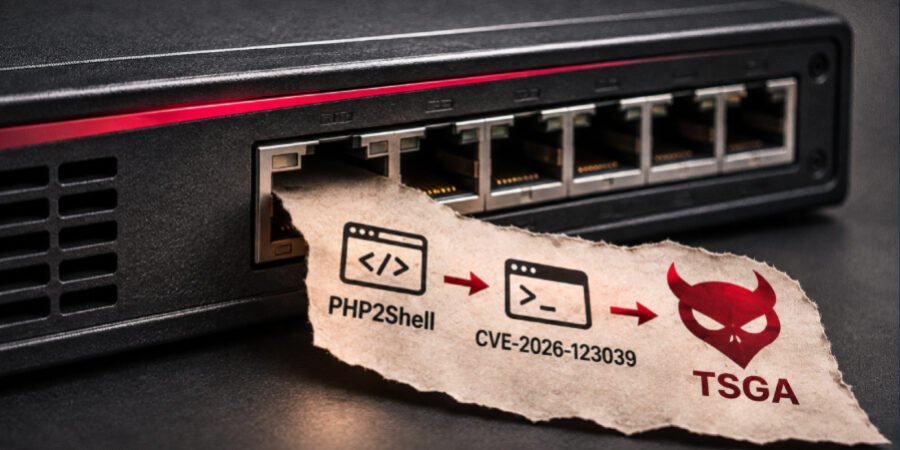
On October 30, 2026, cybersecurity experts at Check Point disclosed a significant cybersecurity incident targeting unpatched Check Point Security Gateways. Cyber attackers have leveraged known PHP2Shell vulnerabilities, enabling them to gain initial access to critical systems, particularly within Israeli organizations. This breach is compounded by the exploitation of a previously unreported local privilege escalation flaw in Gaia OS, which allowed the attackers to deploy a sophisticated backdoor known as TSGA.
Understanding PHP2Shell Vulnerabilities
PHP2Shell refers to a set of vulnerabilities that expose web applications running on PHP to various forms of attack, including remote code execution. These vulnerabilities are particularly concerning when exploited in security infrastructure, such as firewalls and gateway solutions, which are typically expected to uphold the highest security standards.
- Remote Code Execution: Attackers can execute arbitrary commands on vulnerable systems.
- Data Exfiltration: Sensitive data can be accessed and potentially stolen.
- System Compromise: Full control over affected systems allows for further exploitation.
The Role of Gaia OS
Gaia OS serves as the operating system for Check Point Security Gateways. The discovery of a local privilege escalation vulnerability in this platform is particularly alarming, as it permits attackers to elevate their access once they have already infiltrated a system. This means that even with initial defenses in place, these systems can be compromised from within.
- Privilege Escalation: Enables attackers to gain administrative rights and access sensitive system functions.
- Persistence Mechanisms: The TSGA backdoor is engineered to ensure that attackers maintain access even after attempts to remediate the breach.
Deployment of the TSGA Backdoor
The TSGA backdoor represents a significant escalation in the tactics employed by the threat actors. Once installed, it provides the attackers with extended control over affected systems, potentially enabling further malicious actions such as data modification, additional reconnaissance, or further system breaches.
- Enhanced Control: The backdoor facilitates continuous access to the network.
- Flexibility and Adaptation: Attackers can modify their operations based on system configurations and organizational responses.
Implications for Affected Organizations
The ramifications of these security breaches extend beyond immediate control; they include operational disruptions, reputational damage, and potential legal ramifications stemming from compromised data security. The targeted nature of the attacks on Israeli organizations suggests a geopolitical dimension, which could escalate cyber tensions in the region.
- Operational Impact: Organizations may face significant downtime during remediation efforts.
- Costs and Reputation: Recovery from such incidents can be financially draining and harm public trust.
- Potential for Escalation: The ongoing nature of these attacks poses a risk of further incident occurrences across various sectors.
Expert Analysis and Recommendations
Experts emphasize the need for proactive measures to defend against such exploits. Organizations are urged to patch vulnerabilities promptly, implement robust intrusion detection systems, and maintain updated security policies. Continuous monitoring for signs of unauthorized access is crucial, as is the need to invest in employee training to recognize signs of phishing attacks and other vulnerabilities.
- Patching and Updates: Ensure all systems are updated to mitigate known vulnerabilities, including PHP2Shell.
- Monitoring and Response: Implement advanced monitoring tools to detect anomalous activity.
- Education and Awareness: Train staff to recognize potential security threats and report them promptly.
Conclusion
The recent exploitation of PHP2Shell vulnerabilities in Check Point Gateways illustrates the critical need for cybersecurity defenses that are both proactive and reactive. As cyber threats continue to evolve, organizations must remain vigilant, prepared to address vulnerabilities swiftly to safeguard against sophisticated attack vectors, such as the deployment of backdoors like TSGA.
Source: thehackernews.com