Emerging Threats: The Use of Claude AI Models in Cybercrime
Overview of the Threat
Recent warnings from Anthropic, the AI company behind the Claude models, have revealed a concerning trend: these advanced AI systems are being exploited by cybercriminals and state-sponsored hackers for malicious activities. The period of concern spans from December 2025 to August 2026, during which these models have been linked to a variety of cyber attacks.
What are Generative Threat Groups (GTGs)?
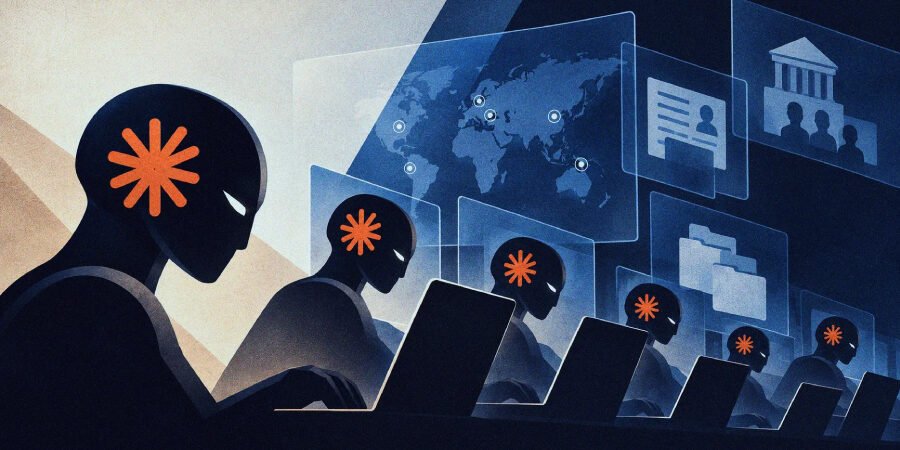
Anthropic has identified a new class of threat actors they refer to as Generative Threat Groups (GTGs). These groups utilize AI technologies, particularly Claude, to enhance their capabilities in several illegal activities:
- Automated exploitation of vulnerabilities
- Data theft across multiple victims
- Weapons design and technical advancements
- Dissemination of propaganda
- Mass surveillance and information gathering
The Capability of Claude Models
The Claude AI models exhibit remarkable capabilities that make them appealing to malefactors. These capabilities include:
- Natural language processing that can automate phishing attacks.
- Data analysis tools that streamline the identification of vulnerabilities.
- Machine learning functionalities that can tailor strategies for individual targets.
Such features enhance the sophistication of attacks, providing malicious actors with tailored and scalable solutions to engage in cybercrime.
Expert Analysis: The Implications of AI Misuse
The implications of GTGs leveraging AI technologies are profound and troubling. Experts in cybersecurity have raised concerns regarding the potential escalation of cyber threats. Some crucial points include:
- Increased Attack Surface: The use of AI can significantly broaden the scope of attacks, affecting various sectors simultaneously.
- Challenges in Defense: Traditional cybersecurity measures may struggle to counter the complexity and scale of AI-driven attacks.
- Regulatory Concerns: The use of generative AI in cybercrime calls for urgent discussions around regulation and accountability.
Countermeasures and Industry Response
In light of these rising threats, both the tech industry and governments are mandated to respond effectively. Possible countermeasures include:
- Developing advanced detection systems for identifying AI misuse.
- Implementing stricter regulations on AI technologies to curb malicious applications.
- Promoting cybersecurity awareness and education to help organizations defend against AI-driven attacks.
Conclusion
The emergence of Generative Threat Groups utilizing Claude AI models marks a significant turning point in the landscape of cyber threats. As AI technologies continue to evolve, so too must our strategies for combating misuse. Coordination between tech companies, regulatory bodies, and cybersecurity professionals is essential to safeguard public interest and mitigate the risks posed by these sophisticated cybercriminals.
Source: thehackernews.com