Emerging Threat: Manic Android Malware Targets Financial Institutions and Government Entities
Introduction to Manic
A new and sophisticated malware strain, codenamed Manic, has recently surfaced, posing a significant threat particularly to Ukrainian financial institutions, government services, and identity applications. In addition to its focus on Ukraine, Manic has shown capabilities to infiltrate Russian and European financial entities, as well as global fintech and cryptocurrency services. This malware also extends its reach to military communication platforms, making it a multifaceted threat that demands urgent attention.
Nature and Functionality of the Malware
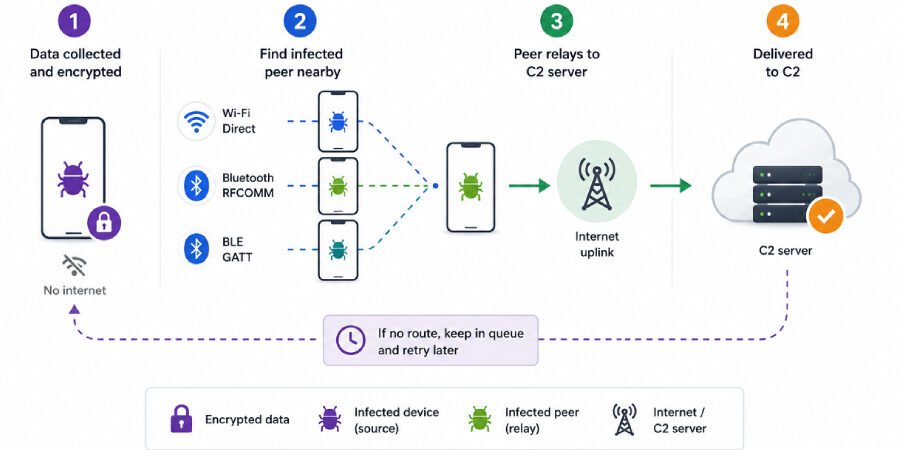
The Manic malware represents a blend of Android banking malware and mobile spyware. This dual functionality allows it to not only facilitate financial fraud but also to extract sensitive personal information from devices that may be seemingly offline. Such a capability raises significant alarm, indicating a new frontier in data exfiltration tactics.
- Financial Fraud: Manic is engineered to manipulate banking applications to divert funds illicitly.
- Data Exfiltration: It can confiscate sensitive information from offline devices via communications with nearby infected devices.
- Targeted Operations: Specific targeting of Ukrainian banks and government services underscores its strategic design.
Implications for Individuals and Organizations
The emergence of Manic signifies a broader shift in the cybersecurity landscape, highlighting the vulnerabilities inherent in mobile technology, especially for users engaged with sensitive data. Organizations operating in affected sectors need to reassess their security measures while individuals must remain vigilant about the applications they use and the data they share.
- Increased Vulnerability: Mobile devices, especially those using Android systems, are now more susceptible to stealthy attacks that exploit unseen entry points.
- Economic Risks: Financial institutions may face considerable financial losses, not only from fraud but from the aftermath of reputational damage.
- Threat to National Security: The targeting of government services raises serious concerns about national security and the integrity of civil services.
Expert Opinions
Cybersecurity experts have expressed concern regarding the advancement of malware capabilities like Manic. According to Dr. Elena Prokhorov, a cybersecurity researcher, “The ability of Manic to steal data from devices that seem to be offline is revolutionary for malware. It suggests a new wave of ‘silent’ attacks that organizations must be prepared to defend against.” Such advancements necessitate a rethinking of current cybersecurity protocols and a more proactive approach in safeguarding sensitive information.
Prevention and Mitigation Strategies
In light of Manic’s sophisticated operational capabilities, it is crucial for both organizations and individuals to adopt comprehensive cybersecurity strategies. Here are a few recommendations:
- Regular Updates: Ensure all software, including operating systems and applications, are up to date to mitigate vulnerabilities.
- Awareness Training: Conduct training sessions for employees to recognize suspicious activities and phishing attempts.
- Use of Security Solutions: Implement advanced security solutions that provide real-time monitoring and threat detection.
- Data Encryption: Employ strong encryption methods for sensitive information to protect against potential breaches.
Conclusion
The discovery of Manic malware underscores the evolving threats in the cybersecurity landscape, particularly concerning mobile devices. Its capability to extract sensitive data from offline devices via nearby infected devices marks a significant shift in how malware operates. Combatting this challenge will require a concerted effort from both individuals and organizations, prioritizing security in an increasingly digital world.
Source: thehackernews.com