Navigating the Evolving Threat Landscape: Keeping Security Metrics Relevant in an AI-Driven Age
The Challenge of Traditional Security Metrics
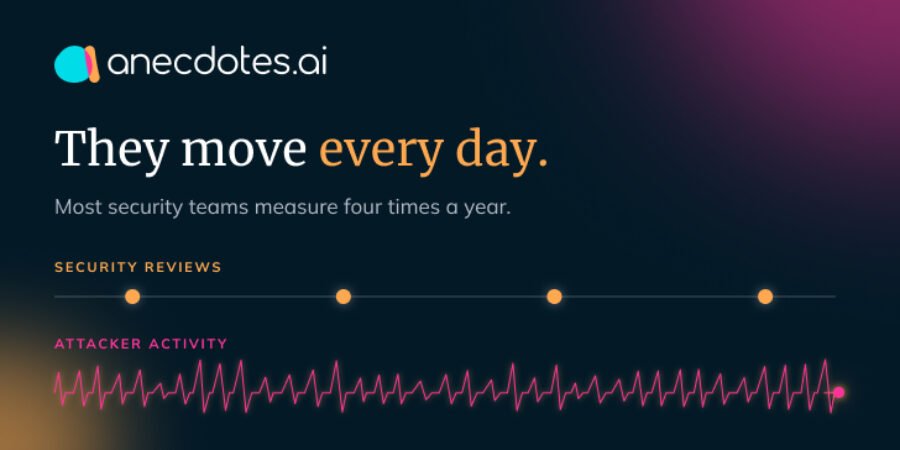
In today’s fast-paced cyber threat environment, traditional security metrics often fall short of their intended purpose. These metrics are frequently designed for presentation rather than practical application. As organizations grapple with sophisticated cyber threats that evolve at the speed of artificial intelligence (AI), the necessity for real-time, actionable insights has never been more critical.
Security reports are typically compiled for quarterly reviews or status updates, but their rigid structure can obscure the real dynamics of cybersecurity incidents. The numbers, polished and aggregated just before presentations, often fail to represent the current state of security accurately.
The Disconnect Between Metrics and Reality
This disconnect manifests in several ways:
- Lagging Data: Metrics compiled weekly or monthly may not reflect ongoing threats, leading organizations to develop a false sense of security.
- Superficial Metrics: Many metrics do not convey the complexity of security challenges; they tend to focus on volume rather than substance.
- Alarming Trends: Relying on outdated metrics can obscure emerging trends in cyber threats, making organizations vulnerable to attacks that are better exploited in a fast-evolving landscape.
Understanding the Role of AI in Cybersecurity
With the integration of AI in both offensive and defensive cyber strategies, the nature of security metrics must evolve as well. AI enables attackers to automate various attack stages, from reconnaissance to execution, exponentially increasing the threat landscape. This transformation necessitates a shift in how organizations perceive and operationalize their security metrics.
To counteract these advancements, companies must adopt proactive measures that include:
- Real-Time Monitoring: Transitioning to real-time analytics allows security teams to spot threats as they emerge rather than after the fact.
- Dynamic Dashboards: Utilizing dashboards that reflect up-to-the-minute data can provide better insights into potential risks.
- AI-Driven Analytics: Implementing AI technologies can help predict and identify evolving threats, allowing for a more robust security posture.
Best Practices for Crafting Effective Security Metrics
To enhance the relevance and utility of security metrics in an AI-driven world, organizations should consider the following practices:
- Focus on Context: Metrics should not exist in isolation. Providing context around each metric will help stakeholders understand their implications.
- Engage Stakeholders: Regularly involving different departments in discussions about metrics can ensure they meet the organization’s overall security goals.
- Prioritize Actionability: Metrics should motivate specific actions to mitigate risks, rather than merely reporting past performance.
Implications for Security Governance
As cyber threats continue to evolve with AI advancements, the implications for security governance are profound. Organizations must foster a culture of continuous improvement in their cybersecurity strategies, ensuring that security teams are equipped with relevant tools and insights. Failure to keep security metrics aligned with the current threats could result in severe consequences, including data breaches, reputational damage, and financial losses.
An agile approach to security metrics, paired with an emphasis on collaboration across departments, will enhance response capabilities and promote a deeper understanding of the cyber threat landscape.
Conclusion
The intersection of AI and cybersecurity presents significant challenges and opportunities. To remain resilient against a rapidly changing threat environment, organizations must evolve their security metrics beyond visually pleasing reports and towards actionable insights that drive informed decision-making. By embracing a forward-thinking approach to security metrics, organizations can better prepare for the complexities of modern cyber threats.
Source: thehackernews.com