Syrian Hacker Sentenced to 42 Months for Role in Fake Tweet That Caused $136 Billion Market Crisis
Overview of the Case
Ahmad Umar Agha, a Syrian hacker known by his online alias “Th3Pr0,” has been sentenced to 42 months in prison by a U.S. federal court. Agha’s conviction stems from a high-profile hacking conspiracy targeting Western news outlets, which ultimately led to a significant drop in the stock market following the issuance of a fake tweet.
The Incident: A Fake Tweet that Shook Markets
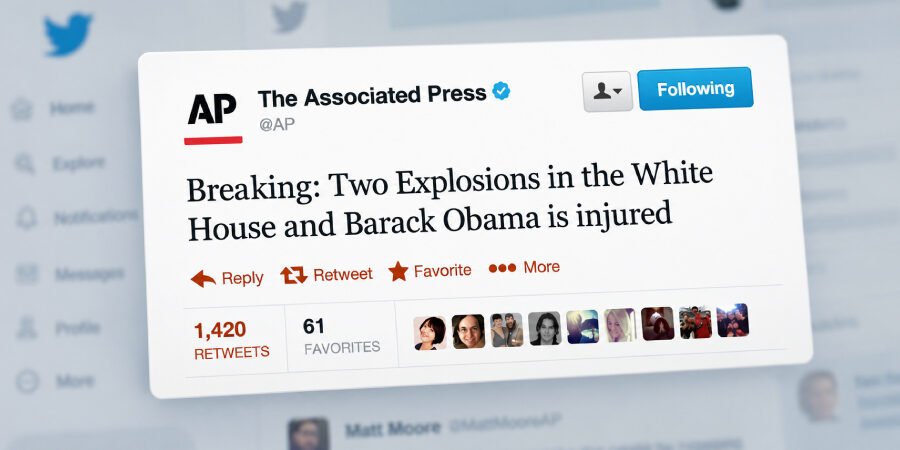
The hacking conspiracy orchestrated by Agha and his cohorts resulted in a fake tweet being published that falsely suggested a critical incident involving the U.S. military. Specifically, this misinformation falsely indicated an attack, creating panic among investors. The impact was immediate; financial markets experienced a staggering decline, resulting in a market loss estimated at $136 billion.
- Fake tweet disseminated via compromised media accounts.
- Immediate market response triggered panic selling.
- Long-term consequences for investor confidence and market stability.
Background of the Syrian Electronic Army
The Syrian Electronic Army (SEA) is a hacktivist group known for its pro-Syrian government stance, particularly during the ongoing Syrian civil war. Their operations often involve cyberattacks against individuals and organizations perceived as enemies of the Assad regime. Agha’s involvement with the SEA highlights a trend of state-sponsored cyber activities that blur the lines between hacking, propaganda, and warfare.
Legal Repercussions and Implications
Agha’s 42-month sentence reflects the U.S. government’s increasing intolerance for cybercrimes that affect market integrity and national security. Experts predict that this case may serve as a precedent, encouraging law enforcement agencies to pursue harsher penalties for similar offenses in the future.
- Increased monitoring of social media and traditional media accounts for hacking attempts.
- Potential for more stringent international cooperation in cybercrime investigations.
- Heightened awareness among corporations regarding the impact of misinformation on financial markets.
Expert Analysis on Cybersecurity and Market Vulnerability
Cybersecurity experts have noted the growing vulnerability of news outlets and social media platforms to hacking. As the incident underscores, a single piece of false information can trigger widespread financial consequences. Experts advocate for investments in more robust cybersecurity measures and the adoption of technologies like blockchain to verify the authenticity of news before it spreads.
Conclusion
The sentencing of Ahmad Umar Agha reveals the potentially dire consequences of cybercrime, particularly when it intersects with financial markets. As the digital landscape continues to evolve, the threat posed by misinformation remains a significant concern for governments, corporations, and consumers alike. Stronger measures and international cooperation will be essential in mitigating these risks moving forward.
Source: thehackernews.com