Critical OpenCode Vulnerability Exposes Windows and WSL Users to Remote Code Execution Risks
Overview of the OpenCode Flaw
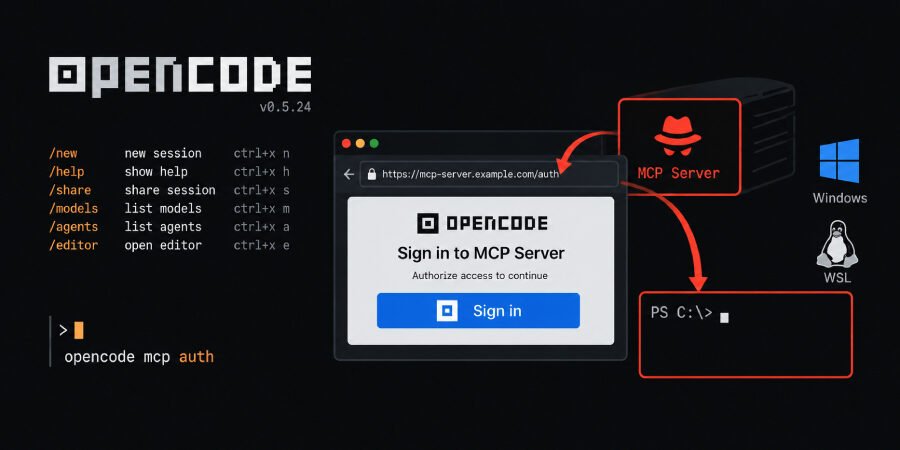
A recently discovered vulnerability in OpenCode, an AI-powered coding assistant, has raised significant security concerns among developers using Windows and Windows Subsystem for Linux (WSL). This flaw enables malicious or compromised Model Context Protocol (MCP) servers to execute arbitrary code on a developer’s machine during the sign-in process. The implications of this vulnerability are particularly grave, as it allows attackers to leverage the developer’s access and permissions to execute harmful actions.
Understanding OpenCode and MCP Integration
OpenCode operates by connecting to MCP servers to incorporate external tools and functionalities into the development environment. This connection, while designed to enhance productivity by utilizing various resources, inadvertently introduces a potential attack vector. When developers sign in to utilize OpenCode, the platform interacts with MCP servers, which can now be exploited if the server is malicious or has been hijacked.
- OpenCode facilitates communication with MCP servers to fetch functionalities.
- Attackers can compromise these servers, leading to unauthorized actions on the user’s machine.
- The issue was addressed in version 1.18.33 released by Anomaly.
Technical Details of the Vulnerability
The vulnerability specifically arises from the trust model inherent in the MCP protocol and its integration with OpenCode. When a developer connects to the system, any code sent from a compromised server is executed in the context of the user’s own environment. This not only grants attackers the ability to run code but also elevates the risk of data breaches and other malicious activities.
Context and Implications for Developers
This flaw exposes a fundamental risk associated with third-party integrations in development tools. Since many developers rely on such integrations to streamline workflows, the incident serves as a stark reminder of the need for heightened security measures, particularly when using external resources.
- Developers need to evaluate the security of third-party tools more critically.
- Regular updates from tool vendors should be prioritized to mitigate risks.
- System access permissions should be reviewed to limit potential damage from such attacks.
Expert Analysis and Recommendations
Security experts emphasize that while Anomaly has patched the vulnerability in version 1.18.33, the incident underscores a more profound challenge in software development practices. The reliance on external servers for functionality increases exposure to risks if robust security frameworks are not in place.
To mitigate vulnerabilities like this, experts recommend the following:
- Implementing security best practices, including code reviews and vulnerability testing.
- Staying informed about vulnerabilities in the tools and libraries used.
- Adopting a zero-trust security model where unverified code is treated with skepticism.
Conclusion
The OpenCode vulnerability is a cautionary tale for developers regarding the integration of external services in their workflows. As coding environments become more complex and interconnected, safeguarding against vulnerabilities must be a priority. Continuous vigilance, regular updates, and embracing security-first development practices are essential to protect both individual developers and the broader tech ecosystem.
Source: thehackernews.com