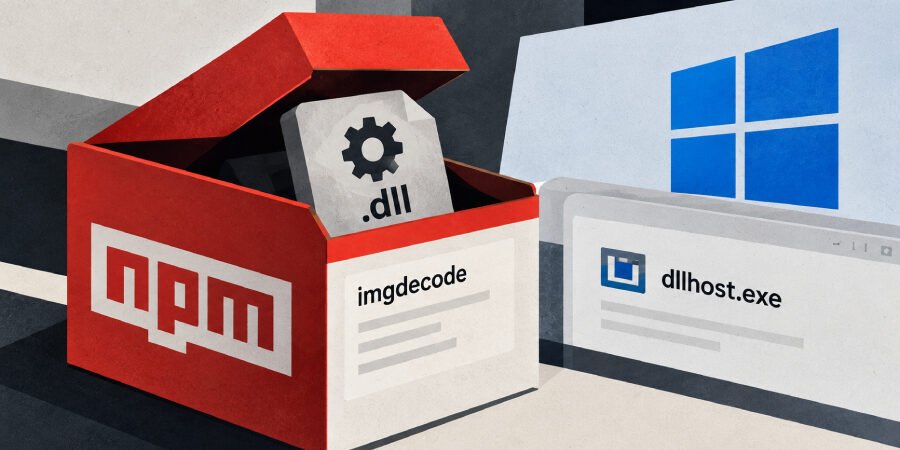
MALFEX Attack: The Discovery of Malicious ‘imgdecode’ npm Package
Introduction to the MALFEX Campaign
In a concerning development for the software development community, cybersecurity researchers have uncovered a malicious npm package that is linked to a broader software supply chain attack campaign known as MALFEX. This revelation raises alarms about the security and integrity of third-party software dependencies, which are commonly used in modern development workflows.
Details of the ‘imgdecode’ npm Package
The malicious package identified as “imgdecode” was made available on npm—a popular JavaScript package registry—on September 30, 2026. It was uploaded by a user with the handle “malfexteste8.” As of the latest reports, the package has been downloaded approximately 979 times, indicating a potential broader impact on developers who unknowingly incorporated it into their projects.
Malicious Payload and Functionality
The imgdecode package is not just an innocuous piece of code. Researchers have found that it conceals a shellcode loader embedded within a Windows native addon. This kind of malicious functionality can lead to serious security breaches, including unauthorized access to sensitive information, data exfiltration, or even control over affected systems.
- The package masquerades as a legitimate library for image decoding.
- Upon installation, it deploys malicious shellcode that exploits vulnerabilities in the target system.
- The loader may download additional malware or create backdoors for ongoing access to the compromised systems.
Implications of the MALFEX Campaign
The emergence of the MALFEX campaign and its malicious package serves as a stark reminder of the vulnerabilities inherent in the software supply chain. With the increasing reliance on open-source packages, the potential entry points for such attacks multiply. The implications of this discovery extend beyond immediate security concerns:
- Trust Issues: Developers may become more skeptical of npm packages, impacting the adoption of open-source libraries.
- Increased Scrutiny: The incident may lead to enhanced scrutiny and vetting processes for packages uploaded to public registries.
- Need for Enhanced Security Practices: Organizations may need to bolster their security measures and integrate automated tools to detect malicious code in dependencies.
Expert Analysis on Preventative Measures
Cybersecurity experts emphasize the importance of vigilance in the use of npm packages and similar resources. Here are some recommended best practices:
- Regular Audits: Conduct regular audits of all third-party packages and maintain up-to-date inventory lists.
- Dependency Monitoring Tools: Utilize tools specifically designed to identify vulnerabilities within dependencies.
- Community Alerts: Stay informed about security alerts or advisories related to npm packages through community platforms and forums.
Conclusion
The discovery of the malicious ‘imgdecode’ package within the MALFEX attack campaign underscores the need for robust security practices in the software development community. As the threat landscape continues to evolve, developers must remain vigilant and proactive in safeguarding their projects from potential supply chain attacks.
Source: thehackernews.com