TP-Link Faces Legal Challenges from Five States Over Security Concerns and Allegations of Chinese Ties
Background of the Lawsuits
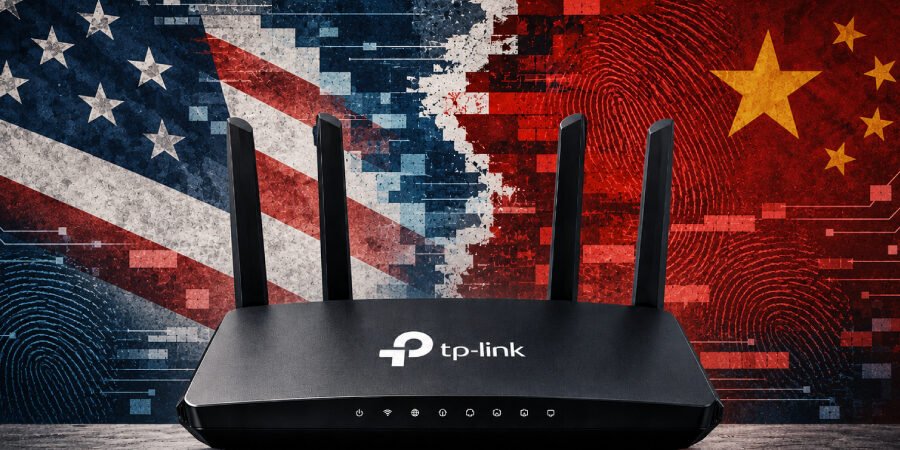
On October 6, 2023, four more U.S. states—Florida, Iowa, Montana, and Nebraska—joined Texas in a lawsuit against TP-Link Systems, a prominent router manufacturer based in California. This collective legal action raises serious concerns about the security of TP-Link’s routers and the company’s claimed independence from potential Chinese government influence. The growing scrutiny of TP-Link comes amidst heightened awareness about cybersecurity and the geopolitical implications of technology supply chains.
Allegations Against TP-Link
The core of the lawsuits revolves around allegations that TP-Link misled consumers regarding the security features of its routers. Specifically, the states accuse TP-Link of:
- Providing inaccurate information about the levels of security embedded in their products.
- Failing to transparently disclose potential vulnerabilities that could expose users to cyber threats.
- Misrepresenting the degree of separation and independence from China, which raises concerns about data privacy and government surveillance.
TP-Link’s Response and Legal Defense
TP-Link has publicly denied the allegations and announced its intention to vigorously contest the lawsuits in court. The company asserts that it takes security matters seriously and claims its products meet high standards of cybersecurity to protect consumers. TP-Link’s defense will likely focus on disproving the assertions of misleading customers and demonstrating compliance with industry security norms.
Implications for Consumers and the Industry
The outcome of these lawsuits could have far-reaching implications for both consumers and the broader technology industry:
- Consumer Trust: Should the allegations be substantiated, consumer confidence in TP-Link and potentially other tech companies could decline significantly.
- Regulatory Scrutiny: The case might pave the way for increased regulatory scrutiny over tech firms, particularly those with international ties.
- Industry Standards: A ruling against TP-Link could necessitate stricter standards and transparency measures in the router manufacturing sector.
Geopolitical Context of the Lawsuits
The legal challenges against TP-Link cannot be viewed in isolation; they reflect the broader context of U.S.-China relations and increasing concerns about cybersecurity. The rise of cyber threats linked to foreign entities has prompted government officials and lawmakers to scrutinize the involvement of companies with ties to foreign nations, especially those with potential links to the Chinese government. As such, this situation could influence how other technology companies, especially those in the networking equipment sector, market their products.
Expert Analysis
Experts in cybersecurity and consumer rights highlight the importance of these lawsuits as a potential turning point in how tech companies manage consumer privacy and security. “This case represents a growing trend where consumers and state actors are demanding greater accountability from tech firms,” mentions Dr. Emily Chen, a cybersecurity analyst. Furthermore, while TP-Link maintains its innocence, it faces an uphill battle to restore consumer trust should adverse findings arise during legal proceedings.
Conclusion
As the legal battle unfolds, it poses significant questions not just about TP-Link’s practices but also about the responsibilities of tech companies to their consumers and the regulatory frameworks that govern them. The outcome of these lawsuits is awaited with keen interest from consumers, industry stakeholders, and policymakers alike, indicating that the scrutiny of tech firms is far from over.
Source: thehackernews.com