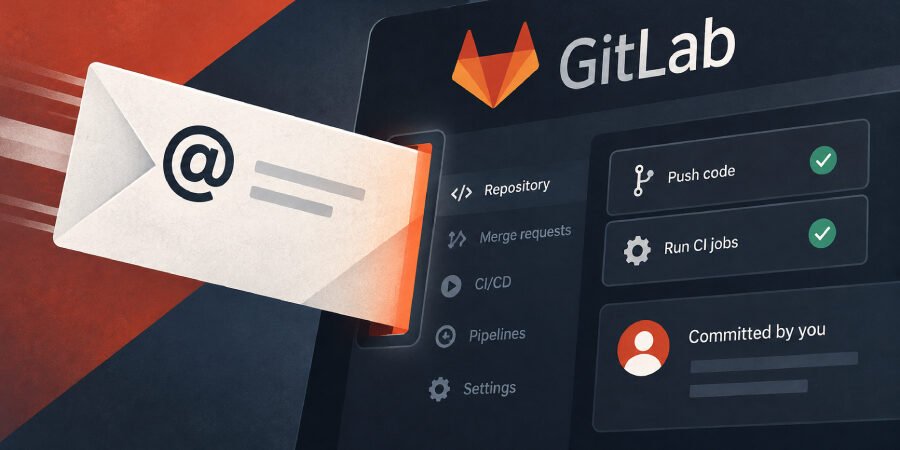
GitLab’s Security Flaw: Leaked Email Addresses Enable Unauthorized Code Pushes and CI Jobs
Understanding the Vulnerability
Recent reports have highlighted a significant security vulnerability within GitLab, where a private email address, intended for filing issues, could be exploited by malicious actors. This email address acts as a credential, allowing individuals to push code and execute Continuous Integration/Continuous Deployment (CI/CD) jobs as the legitimate user.
Every GitLab user is provided with a unique email address through which they can submit work items directly to their projects. This email feature, while convenient, poses serious risks if the address is leaked or accessed by unauthorized users.
How the Exploit Works
Here’s a breakdown of how anyone who obtains this email address can exploit the system:
- Identity Duplication: Once the email address is known, anyone can send a patch to that address, and GitLab will commit it with the user’s name.
- Branch Manipulation: The exploit allows code changes to be pushed to any branch the user typically has access to, including the main branch.
- CI/CD Job Execution: Alongside code changes, attackers can initiate CI/CD jobs that execute under the legitimate user’s profile, potentially causing severe disruptions or unauthorized changes to the project.
Implications for Users and Projects
The implications of this vulnerability are extensive, affecting individual users and entire organizations that rely on GitLab for their development projects. The potential risks include:
- Security Breach: Unauthorized code changes can introduce malicious code, jeopardizing the integrity and security of the software.
- Reputation Damage: A compromised project can lead to reputational damage for organizations if insecure or faulty code is deployed into production.
- Operational Disruption: Automated workflows may run unintended operations, causing downtime and additional resource expenditures to rectify the situation.
Expert Analysis on GitLab’s Response
Experts have called on GitLab to swiftly address this vulnerability to prevent potential exploitation. Security researchers suggest the following measures:
- Enhanced Authentication: Implement stronger authentication methods for email submissions to ensure only authorized users can push changes.
- Address Obfuscation: Modify how email addresses are presented to users, making it harder for unauthorized individuals to discover and exploit them.
- Monitoring and Alerts: Develop systems that alert users of any unusual activity related to their accounts, particularly concerning issue submissions via email.
Preventative Measures for Users
In the aftermath of this discovery, GitLab users are advised to take proactive steps to secure their projects:
- Limit Access Controls: Regularly review user permissions to ensure only trusted individuals have access to important branches and CI/CD configurations.
- Secure Sensitive Information: Avoid sharing project details or sensitive information through public channels that could lead to leaks.
- Educate the Team: Ensure that all team members are aware of this vulnerability and the significance of safeguarding their unique email addresses.
Conclusion
The leaked email vulnerability in GitLab underscores the need for heightened vigilance in cybersecurity, particularly in environments focused on collaborative software development. As GitLab users face increased risks due to this flaw, it is imperative for both the platform and its users to implement stronger safeguards and practices to mitigate potential threats.
Source: thehackernews.com