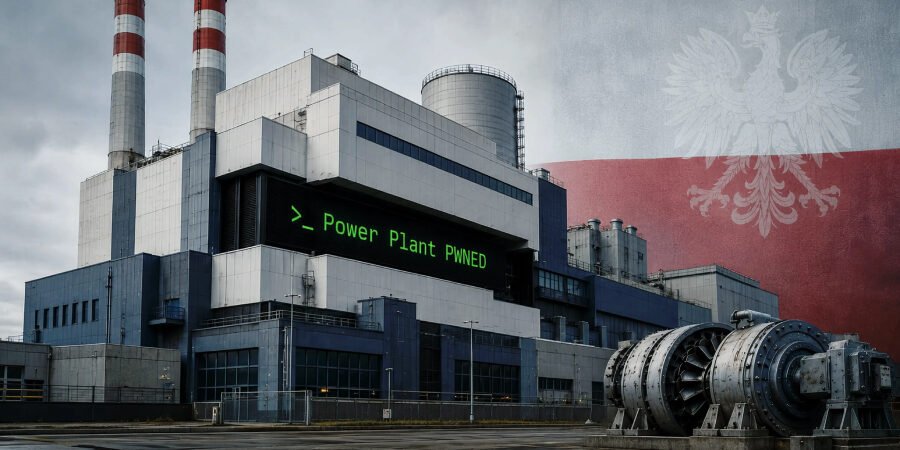
Cybersecurity Breach at Polish Power Plant: A Wake-Up Call for Critical Infrastructure
The Incident: Overview of the Attack
In a concerning incident that underscores the vulnerabilities faced by critical infrastructure, hackers successfully breached a Polish combined heat and power plant through its private cellular network. The attack resulted in the shutdown of a steam turbine and the process-water treatment system crucial for operations. Fortunately, recovery efforts commenced at approximately 7:30 a.m. while the intruders were still within the network, and remarkably, no residents lost heat during this period.
Understanding the Attack Vector
The attackers exploited a private cellular network used by the local grid operator to manage and communicate with remote equipment across the facility. This incident raises critical questions about the security measures in place for operational technology (OT) and how they interact with information technology (IT) systems.
- Private Cellular Networks: These networks are typically seen as a secure means of communication for industrial control systems. However, this breach highlights potential weaknesses in their security infrastructure.
- Access Points: Analyzing how hackers gained initial access will be crucial for understanding potential exploitation avenues in similar infrastructures.
Implications for Critical Infrastructure Security
The breach at the Polish power plant not only affects local residents but also serves as a critical lesson for energy providers globally. The implications of such an attack can be far-reaching, including:
- Increased Regulatory Scrutiny: Authorities may impose stricter regulations on cybersecurity policies within the energy sector.
- Investment in Cyber Defense: Power companies may need to allocate greater budgets towards strengthening their cybersecurity measures and training personnel.
- Public Trust: Repeated incidents could erode public trust in energy providers, making effective communication and transparency essential in recovery efforts.
Expert Analysis: What Security Experts Are Saying
Cybersecurity experts emphasize the need for a multi-layered defense strategy in critical infrastructures, especially ones reliant on legacy systems. Some key points raised include:
- Enhanced Monitoring: Continuous monitoring of network activity is critical for early detection of anomalies that could indicate a breach.
- Regular Audits: Conducting frequent security audits of both IT and OT systems can help identify potential vulnerabilities before they are exploited.
- Education and Training: Ensuring that employees are trained to recognize phishing attempts and other common cyber threats is essential in minimizing risk.
Future Best Practices for Energy Sector Cybersecurity
In light of this incident, here are recommended best practices for energy providers to bolster their defenses:
- Implement Zero Trust Architecture: Organizations should adopt a ‘never trust, always verify’ approach to device and user permissions on their networks.
- Segmenting Networks: Segregating operational technology networks from corporate networks can reduce the chances of an attack traversing into critical control systems.
- Collaboration with Cybersecurity Firms: Partnering with experts in the cybersecurity industry can provide the necessary resources and insights to strengthen defenses.
Conclusion
The breach of the Polish power plant’s controls serves as a wake-up call for energy providers worldwide. As cyber threats continue to evolve, the urgency for robust cybersecurity measures cannot be overstated. Investing in the right technologies, training, and practices will be essential to mitigate risks and protect essential services.
Source: thehackernews.com