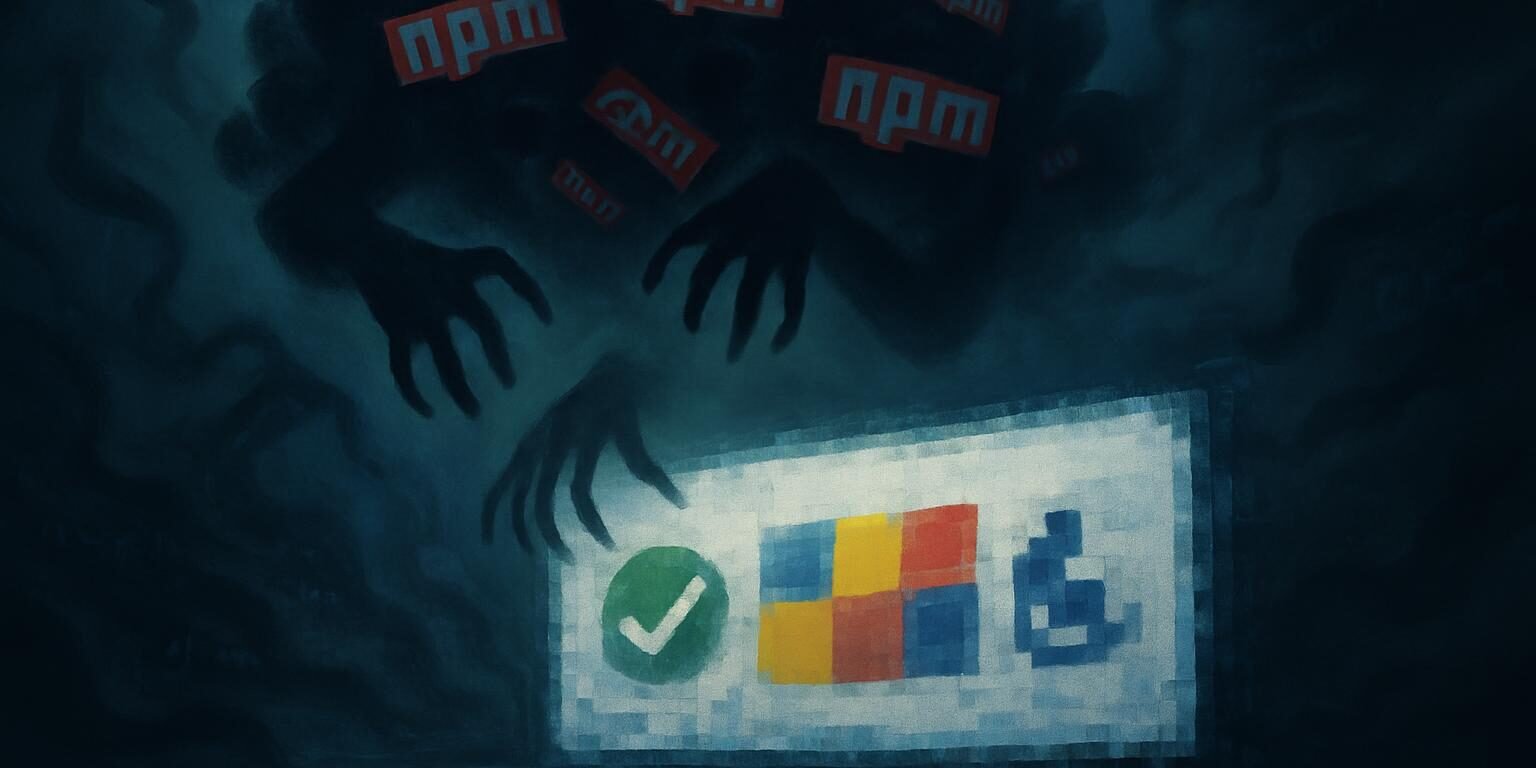
Exploiting npm: The Rise of Phishing via Fake CAPTCHA Pages
Background and Context
The recent discovery of a campaign leveraging 24 npm packages to facilitate phishing attacks marks a troubling trend in the open-source software ecosystem. This incident underscores the vulnerabilities that come with the widespread adoption of package managers, particularly npm, which is a cornerstone of the JavaScript development community. In an age where software development often relies on shared resources and rapid deployment cycles, the attack highlights a critical blind spot: the potential for misuse of these tools by malicious actors. Such incidents resonate with previous attacks, such as the notorious “event-stream” compromise in late 2018, where a malicious package was introduced into a popular library, leading to a significant breach affecting multiple projects.
The current phishing campaign, utilizing what cybersecurity researchers describe as “ClickFix-style” fake CAPTCHA pages, signals an evolution in tactics. Rather than directly infecting developers’ machines with malware, the attackers exploit npm’s infrastructure to redirect unsuspecting users to fraudulent sites. This approach is particularly insidious as it leverages the trust developers inherently place in established package repositories. The implications extend beyond individual developers; organizations relying on npm packages for their applications may unknowingly expose themselves to phishing threats and data breaches, fundamentally undermining their security posture.
Moreover, the timing of this attack is particularly concerning. As remote work continues to dominate the corporate landscape, the security of software supply chains has never been more critical. The COVID-19 pandemic has accelerated digital transformation, leading to an increased reliance on open-source components and third-party libraries. This incident serves as a wake-up call for organizations to reassess their security measures and practices, especially as the threat landscape continues to evolve.
Technical Analysis
The technical mechanics behind this phishing campaign are deceptively simple yet alarmingly effective. At its core, the attack utilizes a single HTML page embedded within the npm packages. This page is designed to mimic a legitimate CAPTCHA authentication process, tricking users into believing they are engaging with a trusted service. The malicious packages do not install harmful code on the developer’s machine; instead, they redirect users to a controlled site where their credentials can be harvested.
The attackers employ the unpkg CDN, a popular service for serving npm packages directly from the registry. By hosting their malicious HTML pages on this widely trusted infrastructure, the threat actors can bypass traditional security measures that might flag suspicious downloads. This tactic of leveraging reputable services to host malicious content is not new but is becoming increasingly common in the evolving landscape of cyber threats.
Once a user interacts with the fake CAPTCHA page, the attacker’s goal is to capture sensitive information, such as login credentials or personal data. This data can be monetized or used in further attacks, creating a cascading effect of potential breaches. The simplicity of the attack also makes it accessible to a broader range of cybercriminals, lowering the barrier for entry into phishing campaigns.
Scope and Real-World Impact
The scope of this attack is significant, given the extensive use of npm packages in web development globally. With over 1.5 million packages available on npm, the potential for widespread impact is considerable. Developers who unknowingly install these malicious packages may expose their applications to security vulnerabilities, leading to a cascade of issues that can affect end-users and organizations alike.
Historically, the repercussions of such incidents have been severe. In the case of the “event-stream” attack, a simple library was compromised, leading to a cryptocurrency wallet theft of approximately $1 million. Similarly, this recent phishing campaign could result in breaches that compromise user data across numerous applications, affecting thousands of end-users and potentially leading to financial losses for organizations involved.
As organizations increasingly rely on open-source software, the potential for reputational damage from such breaches cannot be understated. The intersection of trust and vulnerability in the open-source ecosystem creates a precarious situation that necessitates strong security measures and heightened awareness among developers and organizations.
Attack Vectors and Methodology
The methodology of this phishing campaign can be delineated into several key steps:
- Package Creation: The attackers create malicious npm packages containing an HTML file that mimics a CAPTCHA page.
- Hosting on unpkg: The malicious packages are served via the unpkg CDN, leveraging its trustworthiness to avoid detection.
- User Interaction: Users who download or interact with the packages are redirected to the fake CAPTCHA page.
- Credential Harvesting: Users who enter information into the CAPTCHA page unknowingly submit their credentials to the attackers.
Mitigation and Defense Recommendations
To safeguard against this and similar phishing campaigns, both system administrators and end-users should adopt the following measures:
- Vetting Packages: Always review npm package documentation and community feedback before installation. Consider using tools that evaluate package security.
- Implement Content Security Policy (CSP): Use CSP headers to restrict the domains from which content can be loaded, mitigating the impact of malicious redirects.
- Regular Security Audits: Conduct periodic security audits of dependencies and libraries to identify and remediate vulnerabilities.
- User Education: Train developers and users to recognize phishing attempts and to verify the authenticity of web pages requesting sensitive information.
Industry Implications and Expert Perspective
The ongoing evolution of phishing tactics poses significant challenges for cybersecurity professionals and organizations alike. As attackers become more sophisticated, relying on established platforms like npm for malicious activity, the cybersecurity industry must adapt accordingly. Experts emphasize the need for robust security practices that extend beyond traditional measures, incorporating proactive monitoring and community collaboration to identify and mitigate threats swiftly.
Moreover, this incident raises broader questions about the security of open-source ecosystems. As the demand for open-source software grows, so does the need for organizations to invest in security measures that protect against supply chain vulnerabilities. The industry must prioritize transparency and trust, ensuring that developers can rely on community-maintained tools without fear of compromise.
Conclusion
The abuse of npm packages to facilitate phishing attacks serves as a stark reminder of the vulnerabilities inherent in open-source ecosystems. As organizations increasingly depend on shared resources, the responsibility to maintain security becomes paramount. By understanding the mechanics of these attacks and implementing robust defenses, developers and organizations can better protect themselves against the evolving threat landscape.
As the intersection of trust and vulnerability continues to shape the future of software development, it is imperative for the community to remain vigilant. The fight against cyber threats is ongoing, and only through collaborative efforts can the industry hope to mitigate the risks posed by malicious actors.
Original source: thehackernews.com