Microsoft’s Record October Patch Tuesday: Addressing Active Threats and Vulnerabilities
Background and Context
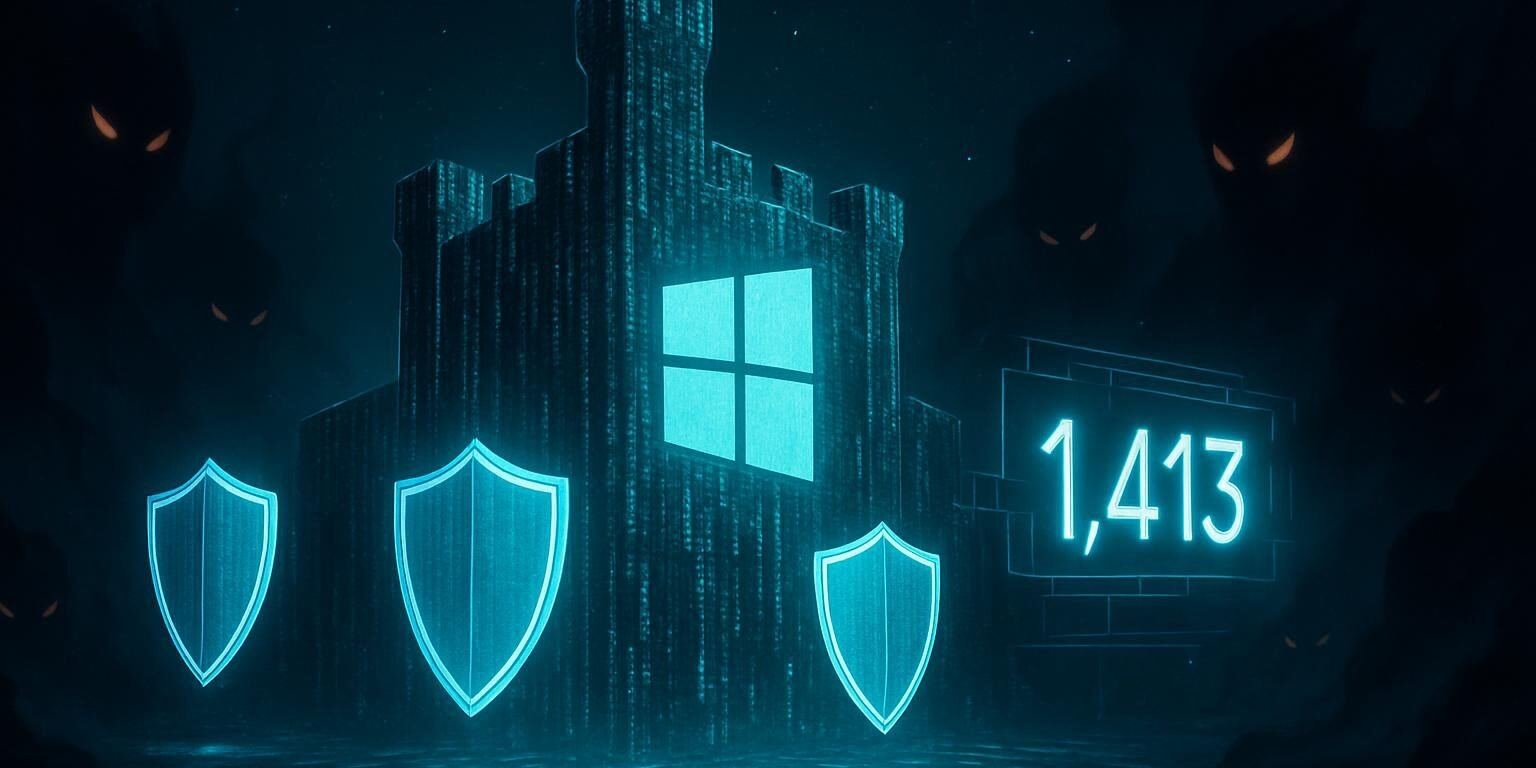
The cybersecurity landscape is perpetually evolving, with threat actors continuously adapting their tactics to exploit vulnerabilities. Microsoft’s October Patch Tuesday, which addressed a staggering 1,413 vulnerabilities, underscores this dynamic environment. Among these flaws is an actively exploited zero-day vulnerability in Windows Shell, known as CVE-2026-96951, which has already been confirmed as a target for cybercriminals. This release not only sets a record for the number of vulnerabilities fixed in a single month but also emphasizes the urgency for users to apply these patches promptly.
Historically, October has been a month of significant updates for Microsoft. The company’s Patch Tuesday, a monthly security update cycle, has gained notoriety for its critical fixes. However, the sheer volume of vulnerabilities addressed this month is unprecedented, raising concerns about the effectiveness of current security measures and the growing sophistication of threats. This sharp increase is indicative of a broader trend within the cybersecurity industry, where the reliance on artificial intelligence (AI) for vulnerability detection is becoming more pronounced. Microsoft has acknowledged that the integration of AI into their security protocols will likely lead to more frequent updates and patches in the future.
The implications of these vulnerabilities extend beyond individual users to organizations and enterprises that rely on Microsoft’s software. The fact that a zero-day vulnerability is actively being exploited amplifies the risk, as attackers often prioritize such weaknesses to gain unauthorized access to sensitive data. With many organizations still navigating the complexities of remote work and digital transformation, the potential for widespread exploitation of these vulnerabilities is a pressing concern that cannot be overlooked.
Technical Analysis
At the heart of the October vulnerabilities is CVE-2026-96951, a Windows Shell security feature bypass vulnerability with a critical CVSS score of 8.8 out of 10. This flaw allows attackers to circumvent the Mark of the Web (MOTW) defense, a feature designed to alert users to potentially harmful downloaded files. By exploiting this vulnerability, an attacker can manipulate the security features intended to protect users from malicious content, creating a pathway for malware or ransomware to infiltrate systems.
The exploit typically requires some form of user interaction, meaning that attackers may deploy tactics such as phishing emails or instant messages containing malicious attachments or links. Once the target engages with the content, the exploit can be executed, potentially compromising the system. This method highlights the importance of user awareness and education as a critical defense layer against such attacks. The attack vector relies not only on technical vulnerability but also on human behavior, making it a dual threat that organizations must address.
Additionally, the October update includes two other publicly disclosed flaws that could serve as entry points for attackers. These vulnerabilities, while perhaps less critical than the zero-day, still pose substantial risks to user security. The prevalence of multiple vulnerabilities within a single update illustrates the challenges faced by security teams in managing and mitigating threats across diverse software environments. It also reflects an ongoing trend where attackers exploit known vulnerabilities before patches can be deployed, emphasizing the need for proactive security measures.
Scope and Real-World Impact
The breadth of the vulnerabilities addressed in this month’s Patch Tuesday affects millions of users globally. From individual consumers to large enterprises, the implications are vast. The zero-day vulnerability has already been observed in active attacks, indicating that the window for effective mitigation is rapidly closing. This scenario recalls similar incidents in the past, such as the WannaCry ransomware attack in 2017, where unpatched vulnerabilities led to widespread disruption across numerous sectors.
Organizations that fail to apply the necessary updates risk not only data breaches but also reputational damage and financial loss. The urgency of this situation is magnified for critical infrastructure sectors such as healthcare and finance, which are often targeted by sophisticated threat actors seeking to exploit vulnerabilities for ransom or data theft. The potential for a cascading effect, where one compromise leads to further vulnerabilities within interconnected systems, is a significant concern that underscores the need for diligent patch management.
Attack Vectors and Methodology
- Attackers craft malicious files or links targeting users through email or instant messaging.
- The user is tricked into opening the attachment or clicking the link.
- The exploit bypasses the MOTW defense, allowing the attacker to execute malicious code on the user’s system.
- Once inside, the attacker can deploy malware, steal data, or establish a foothold for further exploitation.
Mitigation and Defense Recommendations
- Organizations should prioritize the immediate application of Microsoft’s October updates to close known vulnerabilities.
- Implement user training programs to enhance awareness about phishing attacks and safe online behaviors.
- Employ advanced threat detection systems that can identify and mitigate suspicious activities in real-time.
- Conduct regular security audits to identify and remediate any unpatched systems or vulnerabilities within the network.
- Encourage the use of multi-factor authentication (MFA) to add an extra layer of security against unauthorized access.
Industry Implications and Expert Perspective
The implications of this month’s Patch Tuesday extend beyond immediate security fixes; they signal a critical moment for cybersecurity practices moving forward. With attackers increasingly targeting vulnerabilities before patches can be deployed, the necessity for proactive security measures has never been more evident. Experts emphasize the importance of a holistic approach that combines technology, user education, and policy enforcement to build a more resilient cybersecurity posture.
Furthermore, the increased reliance on AI for vulnerability discovery raises questions about the future of security practices. While AI can enhance the speed and accuracy of identifying weaknesses, it also presents new challenges, including the potential for automated attacks that could outpace traditional security responses. As organizations adopt AI-driven technologies, the cybersecurity industry must adapt to these evolving threats, ensuring that defenses keep pace with the sophistication of attackers.
Conclusion
The record-breaking October Patch Tuesday highlights the urgent need for users and organizations to stay vigilant in the face of escalating cyber threats. With numerous vulnerabilities, including an actively exploited zero-day, the stakes have never been higher. It is imperative that users apply the updates promptly and adopt comprehensive security measures to mitigate the risks associated with these vulnerabilities.
As we look to the future, the cybersecurity landscape will continue to evolve, presenting both challenges and opportunities. By embracing proactive strategies and leveraging technological advancements, organizations can enhance their resilience against emerging threats, safeguarding their data and systems from the ever-present risk of cyberattacks.
Original source: www.malwarebytes.com