Understanding UNC6671: Vishing Attacks on Personal Phones to Compromise SaaS Data
Overview of Recent Cyber Attacks
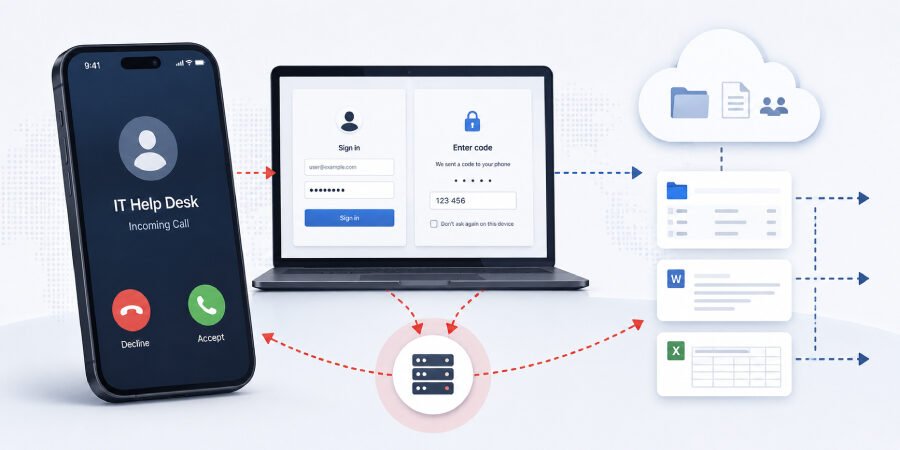
A new surge of cyber threats has emerged, particularly targeting the financial services, private equity, and professional services sectors. These attacks have been linked to a data extortion group known as UNC6671, notorious for employing voice phishing, commonly referred to as vishing. The group has displayed sophisticated tactics aimed at exploiting human vulnerability to gain unauthorized access to sensitive information.
The Methodology of UNC6671
UNC6671 has adopted a methodical approach to their vishing campaigns. Their operational strategy includes:
- Impersonating IT help desk personnel to instill a sense of urgency.
- Targeting employees with a message regarding mandatory security migrations.
- Utilizing personal phone numbers to increase the chances of engagement and compliance.
This strategy not only enhances the probability of successful phishing attempts but also blurs the lines of corporate and personal communication, making it increasingly challenging for individuals to identify genuine IT support.
The Implications for Businesses
The rise of UNC6671’s vishing attacks raises several critical implications for businesses, particularly those handling sensitive data:
- Increased Risk of Data Breaches: Organizations that fail to recognize these tactics may face significant data breaches, leading to unauthorized access to Software as a Service (SaaS) data.
- Employee Awareness and Training: There is a pressing need for comprehensive employee training programs to recognize and respond to vishing attempts effectively.
- Policy Revamping: Companies may need to revise their IT and security policies to address the evolving nature of these threats, particularly in terms of communication protocols.
Expert Analysis on Cybersecurity Trends
Experts in cybersecurity underline the importance of understanding the evolution of vishing tactics. According to cybersecurity analysts:
“The trend towards using personal phones for phishing attacks signifies a shift in how threat actors are adapting to security measures. This requires businesses to not only secure their networks but also educate their staff regarding the complexities of such attacks.”
This evolving threat landscape necessitates that organizations foster a culture of vigilance and responsiveness, particularly as cyber threats continue to adapt and grow in sophistication.
Preventive Measures to Combat Vishing
Organizations can implement several preventive measures to mitigate the risks posed by vishing attacks:
- Verification Protocols: Establish strict procedures for verifying the identity of individuals claiming to be IT personnel.
- Security Awareness Training: Regularly conduct training sessions that cover various forms of phishing, including vishing, and encourage employees to report suspicious activities.
- Robust IT Policies: Ensure all communication related to IT support is conducted through official channels, and discourage sharing sensitive information over personal devices.
Conclusion
As cybercriminals like UNC6671 continue to exploit vulnerabilities in human behavior through vishing attacks, businesses must prioritize their cybersecurity frameworks. Enhancing employee awareness and reinforcing communication protocols will be crucial in protecting sensitive data from being compromised. The threat landscape is ever-changing, and a proactive approach will be essential for safeguarding corporate information.
Source: thehackernews.com