Emerging Threat: OAuth Client ID Spoofing in Microsoft Entra ID Targeted by Cybercriminals
Introduction to OAuth Client ID Spoofing
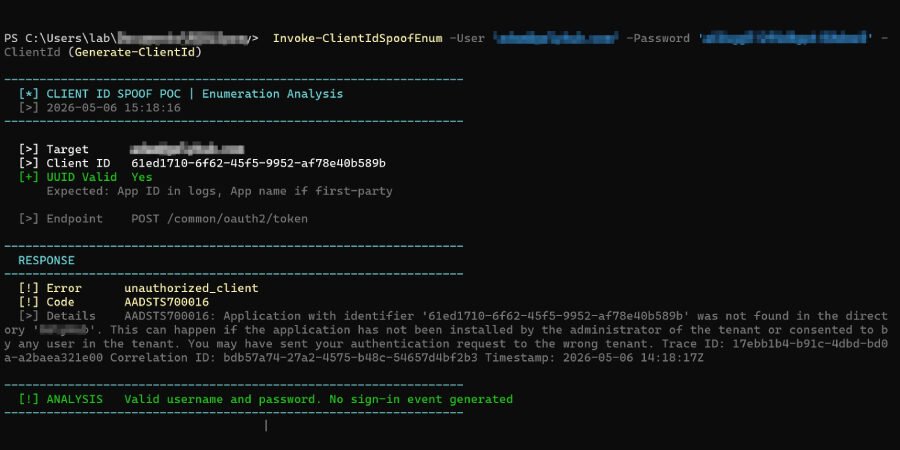
Recent cybersecurity research has brought to light a novel attack technique known as OAuth client ID spoofing. This technique is being exploited by multiple threat actors to bypass traditional security measures and perform credential validation attacks against Microsoft Entra ID environments. The implications of this development are serious, particularly for organizations utilizing cloud services to manage identities and access.
How OAuth Client ID Spoofing Works
OAuth client ID spoofing takes advantage of the OAuth 2.0 framework, which is widely used for authentication in cloud applications. By manipulating client identifiers, attackers can launch campaigns that enable them to enumerate user accounts and validate stolen credentials without triggering alerts that would typically be raised by failed login attempts.
- Client ID Manipulation: Attackers spoof client IDs in order to impersonate legitimate applications.
- Credential Validation: This technique allows malicious actors to check stolen credentials without generating a successful sign-in event.
- Stealthy Operations: By avoiding any sign-in events, attackers can evade detection and prolong their campaigns.
The Threat Landscape and Affected Environments
The threat of OAuth client ID spoofing has emerged as part of a larger trend involving cloud-based identity and access management systems. Microsoft Entra ID, previously known as Azure Active Directory, has become a prime target due to the increasing reliance on cloud technologies by enterprises worldwide.
There are at least two distinct groups identified utilizing this technique, suggesting that its adoption may become more widespread as cybercriminals seek effective methods to compromise cloud environments.
Implications for Organizations
The implications of OAuth client ID spoofing are multifaceted, affecting both technical operations and organizational security strategies. Organizations need to recognize the following risks:
- Increased Risk of Credential Theft: As this vulnerability becomes more widely known, the chances of credential theft for users can rise significantly.
- Security Posture Review: Enterprises must reassess their security configurations and authentication mechanisms to combat such nuanced attack vectors.
- Potential for Data Breaches: Successful exploitation could lead to unauthorized access to sensitive information, impacting trust and compliance.
Expert Analysis and Mitigation Strategies
Cybersecurity experts urge organizations to take proactive steps to safeguard against OAuth client ID spoofing. Strategies may include:
- Implementing Multi-Factor Authentication (MFA): This adds an additional layer of security, requiring more than just a username and password for access.
- Monitoring for Anomalous Behavior: Employing advanced telemetry tools that can analyze user account behaviors and flag unusual patterns.
- Regular Security Audits: Routinely evaluate application permissions and access controls in Microsoft Entra ID environments to limit potential exposures.
Conclusion
The rise of OAuth client ID spoofing marks a significant shift in the tactics employed by cybercriminals targeting cloud infrastructures. As organizations increasingly rely on cloud services, the need for enhanced security measures becomes more pressing. By understanding the nuances of this attack vector and implementing robust security practices, organizations can better equip themselves to defend against the evolving threat landscape.
Source: thehackernews.com