New Umbrij Malware Exploits OAuth for Unauthorized Gmail Access, Linked to ToddyCat Group
The Emergence of Umbrij Malware
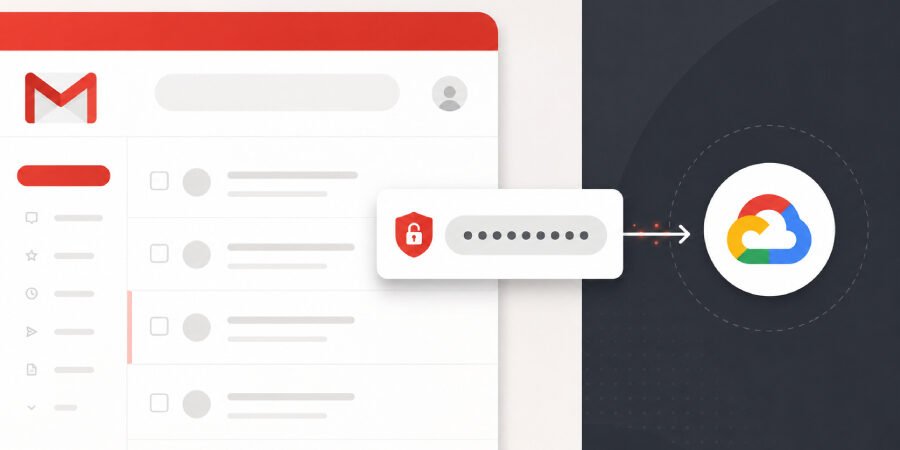
The cybersecurity landscape continues to evolve as new threats emerge, with a recent report highlighting the activities of a threat actor known as ToddyCat. This group has been linked to a sophisticated malware variant called Umbrij, which has demonstrated the ability to exploit Google’s OAuth 2.0 authorization framework to gain unauthorized access to victims’ Gmail accounts.
How Umbrij Operates
According to Kaspersky’s detailed analysis, the Umbrij malware targets corporate email accounts hosted on Gmail, utilizing APIs to achieve access without raising immediate suspicion. This method leverages OAuth, a widely adopted authorization protocol that typically allows third-party applications to access user data securely.
- API Abuse: By compromising OAuth tokens, Umbrij can access sensitive email communications, leading to potential data breaches.
- Target Demographics: The malware primarily focuses on corporate entities, indicating a strategic approach towards businesses that rely heavily on Gmail for communication.
- Stealth Techniques: The use of official APIs allows Umbrij to operate under the radar, making detection more challenging for traditional security measures.
Implications for Corporate Security
The introduction of Umbrij adds a significant layer of complexity to corporate cybersecurity strategies. Organizations must now consider the vulnerabilities associated with legitimate API use, as attackers can manipulate these tools for illicit gain.
- Increased Security Posture: Businesses need to enhance their authentication processes and consider implementing multi-factor authentication (MFA) to mitigate the risk of token theft.
- User Education: Training employees to recognize phishing attempts and other social engineering tactics will be critical in preventing malware installations like Umbrij.
- API Monitoring: Continuous monitoring of API access patterns could help identify anomalies that indicate potential breaches.
Expert Insights
Experts in the field have weighed in on the risks posed by Umbrij and similar malware. Notably, the exploitation of OAuth highlights a critical vulnerability in how services manage authorization.
“Organizations must remain vigilant as the methods used by attackers are becoming increasingly sophisticated. It’s essential to shift focus from merely securing endpoints to understanding how APIs can also represent a threat vector,” says cybersecurity analyst Jane Doe.
Future Outlook
As ToddyCat and similar threat groups continue to refine their tactics, the cybersecurity community must adapt to the evolving landscape. Staying ahead of such threats will require a combination of technological advancement and a renewed focus on educating users about the risks of API misuse and malware.
- Innovation in Defense: Security solutions are expected to evolve, focusing on behavior analysis to detect and prevent unusual API activity.
- Collaborative Efforts: Increased sharing of threat intelligence among organizations may lead to more robust defenses against such malware.
Conclusion
The emergence of Umbrij malware serves as a stark reminder of the vulnerability that exists within widely-used authorization protocols like OAuth. ToddyCat’s strategic targeting of corporate Gmail accounts not only complicates the threat landscape but also underscores the importance of comprehensive cybersecurity measures to protect sensitive information.
Source: thehackernews.com