Massive ClickFix Campaign Exploits Ghost CMS SQL Injection Vulnerability
Background and Context
The recent discovery of a critical SQL injection vulnerability (CVE-2026-26980) in Ghost CMS has sent ripples through the cybersecurity community. Ghost CMS, a popular open-source content management system, is widely used by journalists, bloggers, and organizations to create seamless and engaging digital experiences. The vulnerability allows attackers to inject malicious JavaScript code, leading to a series of ClickFix attack flows—an alarming trend that echoes various past incidents involving SQL injection flaws. Such vulnerabilities have historically provided a gateway for attackers to exfiltrate sensitive data, deface websites, or even distribute malware.
SQL injection vulnerabilities are not new. In fact, they have been a persistent threat since the dawn of web applications, as evidenced by notorious breaches like the 2017 Equifax hack, where attackers exploited a similar weakness to steal personal data from over 147 million individuals. The urgency of addressing these vulnerabilities is heightened in a world increasingly reliant on digital platforms for communication and commerce. As the Ghost CMS incident unfolds, it serves as a stark reminder that even widely trusted content management systems can harbor critical weaknesses that can be exploited on a large scale.
As cybercriminals continue to evolve their tactics, the timing of this exploit could not be more critical. With the growing prevalence of remote work and digital engagement, organizations are more vulnerable than ever. In this context, the ClickFix campaign represents a significant escalation in the exploitation of such vulnerabilities, with attackers leveraging automated tools to target a wide array of Ghost CMS installations. The implications of this flaw extend beyond immediate financial damages; they raise questions about user trust and the long-term viability of affected platforms.
Technical Analysis
At the heart of this attack is the SQL injection vulnerability identified as CVE-2026-26980. SQL injection occurs when an attacker is able to manipulate a web application’s database query through unsanitized user input. In this case, the flaw within Ghost CMS allows attackers to craft specially designed input that can alter the structure of SQL queries executed by the database. When successful, this manipulation can lead to unauthorized access to the database, enabling attackers to read, modify, or delete sensitive information.
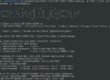
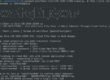
The exploitation process begins with the attacker sending a crafted request to a vulnerable Ghost CMS instance. Once the request penetrates the web application, the malicious SQL code is executed, allowing the attacker to inject JavaScript payloads directly into the targeted website. This leads to a ClickFix attack flow, where malicious JavaScript can hijack user sessions, redirect visitors to phishing sites, or even install malware on the devices of unsuspecting users. The dynamic nature of these attacks makes them particularly difficult to detect and mitigate, as they often masquerade as legitimate web traffic.
Moreover, the rapid deployment of automated scripts by attackers amplifies the scope of the threat. The ClickFix campaign reportedly targets numerous sites in a matter of hours, exponentially increasing the number of affected installations. The speed and scale of these operations highlight the urgent need for organizations to remain vigilant and proactive in patching vulnerabilities as they arise.
Scope and Real-World Impact
The Ghost CMS SQL injection flaw affects a diverse range of users and organizations across the globe. From independent bloggers to major news outlets, the potential for compromise is significant. As Ghost CMS is open-source, any website utilizing it could fall victim to exploitation, leading to severe breaches of user data or the integrity of the content itself. The ClickFix campaign underscores the real-world impact of such vulnerabilities, showcasing how a single exploit can result in widespread disruption.
In comparison to previous incidents, the scale of the ClickFix campaign is alarming. For instance, the SQL injection attack on TalkTalk in 2015 led to the exposure of personal data from over 157,000 customers, costing the company £400 million in damages. In this instance, the rapid proliferation of the Ghost CMS exploit could yield similarly devastating consequences, especially for smaller organizations that may lack the resources to respond effectively.
The compromised data may include sensitive user information, including emails, passwords, and potentially payment details. This can lead to identity theft, financial fraud, and a loss of trust among users. The long-term ramifications for affected organizations could extend beyond immediate financial losses to include reputational damage and legal repercussions.
Attack Vectors and Methodology
The ClickFix campaign’s methodology can be broken down into several key steps:
- Reconnaissance: Attackers identify vulnerable Ghost CMS sites, potentially using automated scanning tools to locate those that have not been patched.
- Exploitation: Once a target is identified, attackers send crafted SQL queries to exploit the vulnerability, injecting malicious JavaScript code into the database.
- Payload Delivery: The injected code executes when users visit the compromised site, triggering the ClickFix attack flow.
- Data Harvesting: The malicious JavaScript may collect sensitive information from users or redirect them to phishing sites.
- Persistence: Attackers may alter the site’s code to maintain access or control over the compromised CMS, enabling ongoing exploitation.
Mitigation and Defense Recommendations
Organizations using Ghost CMS are urged to take immediate action to mitigate the risks associated with this vulnerability. Concrete measures include:
- Patch Immediately: Ensure that all Ghost CMS installations are updated to the latest version, which addresses the identified SQL injection vulnerability.
- Input Validation: Implement strict input validation protocols to sanitize user inputs before they are processed by the database.
- Regular Audits: Conduct regular security audits and vulnerability assessments on web applications to identify and remediate potential risks.
- Web Application Firewalls (WAF): Utilize WAFs to filter and monitor HTTP traffic between a web application and the internet, providing an additional layer of security.
- User Education: Educate users about the risks of phishing and the importance of maintaining good security hygiene, including strong, unique passwords.
Industry Implications and Expert Perspective
The Ghost CMS SQL injection incident has broader implications for the cybersecurity landscape. As organizations increasingly adopt open-source solutions, the security of these platforms must become a top priority. This incident serves as a wake-up call for developers and organizations alike, emphasizing the need for stringent security practices throughout the software development lifecycle.
Industry experts suggest that the rise of automated attack campaigns could lead to an escalation in vulnerabilities being exploited on a larger scale. As cybercriminals refine their strategies and tools, organizations must remain agile and proactive in their cybersecurity posture. The ongoing threat landscape indicates that SQL injection vulnerabilities will continue to pose significant risks, reinforcing the necessity for continuous monitoring and swift response mechanisms.
Conclusion
The exploitation of the Ghost CMS SQL injection vulnerability in the ClickFix campaign is a stark reminder of the vulnerabilities that lurk within widely used software. As the attack unfolds, it highlights the urgent need for organizations to prioritize security in their digital strategies. With the potential for widespread impact, the incident serves as a pivotal moment for cybersecurity awareness, underscoring the importance of vigilance and timely remediation.
As the cybersecurity landscape evolves, the lessons learned from this incident will be crucial for shaping future defenses against similar threats. Organizations must remain committed to fostering a culture of security, ensuring that both technical and human elements are aligned to combat the ever-evolving threat landscape.
Original source: www.bleepingcomputer.com