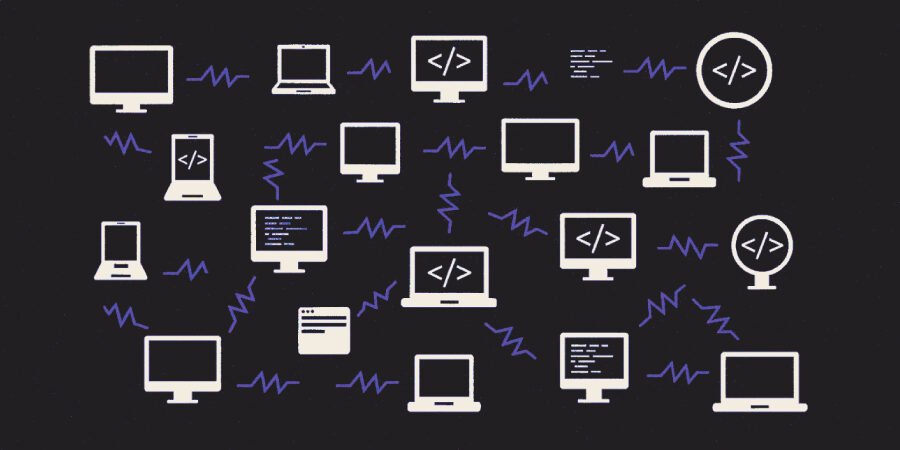
Turla Transforms Kazuar Backdoor into a Modular P2P Botnet for Persistent Access
Background and Context
The landscape of cyber threats has evolved significantly over the past decade, with state-sponsored groups increasingly adopting advanced techniques to maintain persistent access to targeted systems. The Russian hacking group Turla, often attributed to Center 16 of Russia’s Federal Security Service (FSB), has been a longstanding player in this arena. In recent developments, Turla has transformed its custom backdoor known as Kazuar into a modular peer-to-peer (P2P) botnet designed for stealth and continuous access. This evolution signals a shift in the group’s operational methodology, making it a notable case study in the ongoing arms race between cyber adversaries and defenders.
Historically, Turla has been associated with various sophisticated cyber campaigns, targeting government entities, military organizations, and corporations across Europe and the United States. The group’s previous activities have included the deployment of the *Remote Access Trojan (RAT)* and other sophisticated malware. The transformation of Kazuar into a P2P botnet reflects a growing trend among advanced persistent threat (APT) groups to leverage modular architectures that complicate detection and mitigation efforts. This modularity allows for dynamic adaptation and scalability, providing attackers with greater flexibility and resilience against defensive measures.
The implications of such advancements in cyber capabilities are profound. As nation-states increasingly rely on cyber operations as tools of geopolitical strategy, the evolution of malware like Kazuar poses significant challenges for cybersecurity professionals. The current geopolitical climate, characterized by heightened tensions and increasing cyber espionage, underscores the urgency for organizations to bolster their defenses against such sophisticated threats. With the potential for widespread impact, understanding the mechanics behind Turla’s recent developments is crucial for both the cybersecurity community and affected entities.
Technical Analysis
The Kazuar backdoor, initially developed by Turla, was designed to provide attackers with remote access to compromised systems. The recent adaptation into a modular P2P botnet introduces several key features that enhance its stealth and operational longevity. By utilizing a P2P architecture, Kazuar eliminates the need for a centralized command and control (C2) server, thereby reducing the risk of detection by security measures that monitor traditional C2 communications.
In the modular setup, components of the Kazuar backdoor can be updated or replaced independently, allowing Turla to adapt quickly to changing security environments. This modularity also enables the deployment of various payloads, such as data exfiltration tools or additional exploits, depending on the specific objectives of the operation. Each module can communicate with others directly, creating a resilient network that is harder to dismantle, as there is no single point of failure for defenders to exploit.
Furthermore, the P2P nature of this botnet allows it to blend in with legitimate network traffic, making it even more challenging for intrusion detection systems to identify malicious activity. By leveraging existing network protocols and mimicking benign communications, Kazuar can remain dormant for extended periods, waiting for the opportune moment to execute its payload or establish further footholds within a target’s environment.
Scope and Real-World Impact
The transformation of Kazuar into a P2P botnet has significant implications for organizations globally. Targets of Turla’s operations have included government institutions, defense contractors, and critical infrastructure, showcasing the group’s focus on high-value assets. This shift to a modular P2P botnet may amplify the breadth of Turla’s operations and increase the risk of data breaches, intellectual property theft, and disruption of services.
Comparatively, this development echoes similar trends seen in past incidents involving other state-sponsored groups, such as the use of custom malware by APT28 (Fancy Bear) and APT29 (Cozy Bear). Both groups have demonstrated an ability to adapt their tactics and tools in response to countermeasures, suggesting a broader trend among APTs to develop more sophisticated and resilient malware architectures. The Kazuar botnet’s modularity may allow Turla to sustain prolonged operations, increasing the likelihood of successful intrusions before defenses can be effectively mobilized.
As organizations continue to grapple with the evolving threat landscape, the risk associated with such malware cannot be overstated. The potential for widespread impact on sensitive data and national security underscores the need for heightened vigilance and proactive measures in cybersecurity.
Attack Vectors and Methodology
The attack methodology employed by Turla to deploy the Kazuar P2P botnet typically follows several key steps:
- Initial Access: The attackers employ phishing emails or exploit vulnerabilities in public-facing applications to gain initial access to a target network.
- Payload Delivery: Once inside the network, the Kazuar backdoor is delivered, often disguised as benign software to avoid detection.
- Peer-to-Peer Communication: The botnet establishes a P2P network, allowing compromised hosts to communicate directly with one another, facilitating command execution and data exfiltration.
- Modular Updates: Turla can update or modify the Kazuar modules as needed, deploying new functionalities or capabilities without raising alarms.
- Persistence Mechanisms: The malware implements various techniques to maintain persistence, ensuring continued access even after system reboots or initial remediation efforts.
Mitigation and Defense Recommendations
To protect against the threats posed by the Kazuar P2P botnet and similar sophisticated malware, organizations should take proactive measures, including:
- Implement Network Segmentation: Segment networks to limit lateral movement and contain potential breaches within isolated environments.
- Enhance Email Security: Deploy advanced email filtering and anti-phishing solutions to reduce the likelihood of successful phishing attempts.
- Regular Software Updates: Ensure all systems and applications are regularly updated to mitigate vulnerabilities that could be exploited by attackers.
- Monitoring and Logging: Implement comprehensive monitoring and logging of network traffic to detect unusual communications indicative of P2P botnet activity.
- Incident Response Planning: Develop and regularly update incident response plans to ensure rapid action can be taken in the event of a breach.
Industry Implications and Expert Perspective
The emergence of the Kazuar P2P botnet marks a significant shift in the tactics employed by state-sponsored threat actors. Experts believe that this evolution could lead to increased collaboration among APT groups, sharing techniques and tools to enhance their operational effectiveness. As modular malware continues to proliferate, the cybersecurity landscape may witness a surge in similarly structured threats, compelling organizations to adopt a more proactive and adaptive approach to their defenses.
Long-term consequences of this trend may include a heightened focus on threat intelligence sharing among organizations and government entities, as collective defense becomes increasingly vital in combating sophisticated cyber adversaries. Moreover, as the geopolitical stakes rise, the implications of such threats extend beyond mere data breaches, potentially affecting national security and critical infrastructure resilience.
Conclusion
The transformation of Turla’s Kazuar backdoor into a modular P2P botnet highlights the evolving nature of cyber threats in an increasingly interconnected world. As state-sponsored groups refine their tactics and adapt to countermeasures, the cybersecurity community must remain vigilant and proactive in its defenses. The lessons learned from the Kazuar incident serve as a reminder of the importance of collaboration, advanced threat detection, and robust cybersecurity practices in safeguarding sensitive data and infrastructure.
In an era where the lines between cyber warfare and traditional military engagements are blurring, the stakes have never been higher. Organizations must prepare for the future by proactively addressing vulnerabilities and embracing a culture of security to mitigate the risks posed by sophisticated threat actors like Turla.
Original source: thehackernews.com