Trellix Confirms Unauthorized Access to Source Code Repository
Background on the Incident
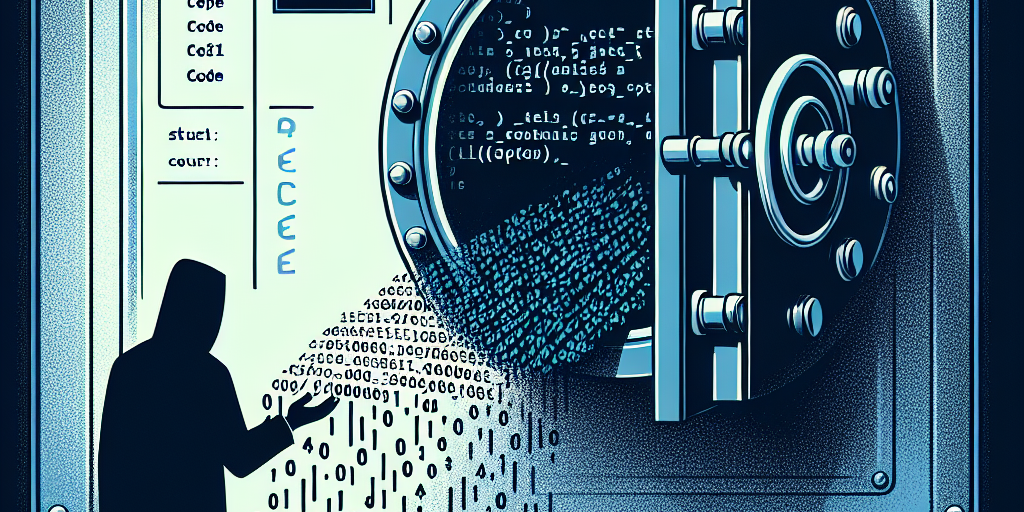
Cybersecurity firm Trellix, known for its advanced solutions in the realm of digital protection, has announced a significant breach that resulted in unauthorized access to a portion of its source code repository. In an official statement released on May 2, 2026, the company indicated that it “recently identified” this compromise and is now actively collaborating with leading forensic experts to address the situation. Law enforcement has also been notified, signaling the seriousness of this breach.
This incident underscores broader concerns in the cybersecurity field, where source code integrity is crucial for maintaining both the security and functionality of software products. A breach of source code can potentially expose vulnerabilities, allowing malicious actors to exploit weaknesses in products and systems that rely on such code.
The Importance of Source Code Security
Source code serves as the backbone of software applications; it provides the instructions that computers follow to perform tasks. Therefore, any unauthorized access to source code raises critical security implications. Attackers gaining access to such information can:
- Identify and exploit vulnerabilities within the software.
- Clone or create malicious versions of the software.
- Manipulate the application to execute harmful activities.
Historically, high-profile breaches involving source code have demonstrated the potential devastating impacts, such as the 2017 Equifax data breach, where sensitive personal information was compromised due to exploitable vulnerabilities. As digital threats evolve, maintaining the integrity of source code has never been more essential for organizations across all industries.
Expert Commentary and Analysis
Industry experts have raised alarms regarding the implications of Trellix’s breach. “Source code is the DNA of software,” said cybersecurity analyst Dr. Jennifer Large, noted for her work on vulnerabilities in enterprise applications. “If competitors or malicious entities gain access to the source code, they have the potential to severely undermine both trust and security in the affected products.”
Furthermore, cybersecurity consultant Mark Voss emphasizes the importance of implementing robust security measures surrounding source code repositories. “Companies must not only secure their code through strong access controls but also conduct regular audits and code reviews to identify potential risks early,” he advised.
Comparative Cases and Industry Statistics
This incident is not isolated; it reflects a worrying trend within the tech industry. In recent years, various organizations have faced similar attacks, resulting in significant financial and reputational damage:
- The 2020 SolarWinds breach, which compromised several government agencies and corporations by exploiting weaknesses in its software supply chain.
- The 2014 GitHub breach, which illustrated the vulnerabilities that can arise when source code is available in public repositories.
According to a 2023 Cybersecurity Ventures report, the global cost of cybercrime is expected to hit $10.5 trillion annually by 2025. These figures emphasize the necessity for organizations to prioritize cybersecurity measures that protect source code as a fundamental aspect of their overall security posture.
Potential Risks and Implications
The risk of unauthorized access to source code carries several implications:
- Data Breach Costs: Organizations typically incur substantial costs following a data breach, including legal fees, fines, and reputational damage.
- Loss of Competitive Advantage: Competitors gaining access to proprietary code could undermine a company’s market position and innovation capabilities.
- User Trust Deterioration: Customers may lose confidence in a company’s ability to protect their data, contributing to a decline in business operations.
To mitigate these risks, cybersecurity professionals recommend several actionable steps:
- Implement least privilege access controls to restrict who can view and modify the source code.
- Conduct regular penetration testing and security assessments of code repositories.
- Utilize advanced encryption methods to protect sensitive data, including source code.
- Invest in employee training programs to promote security best practices.
Conclusion
The recent breach at Trellix serves as a stark reminder of the vulnerabilities inherent in cybersecurity. As organizations increasingly rely on technology, protecting source code has become a critical component in safeguarding both assets and user trust. Cybersecurity professionals must remain vigilant, fostering a culture of security that prioritizes the integrity and confidentiality of code.
Source: thehackernews.com