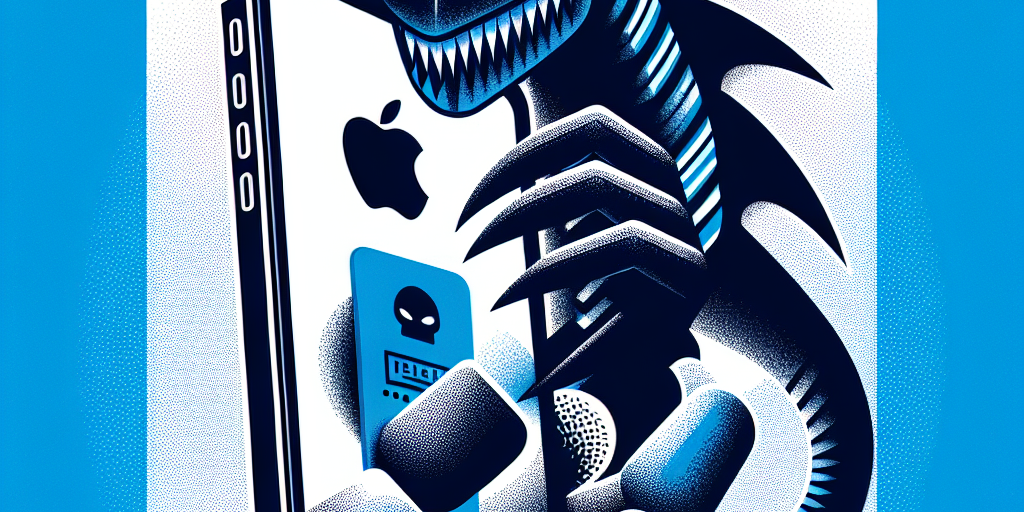
Predator Spyware’s Threat to iOS Security: Deceptive Surveillance Tactics
Background and Context
The emergence of sophisticated spyware such as Intellexa’s Predator poses significant risks to personal privacy and cybersecurity. As technology has advanced over the past decade, so too have the methods employed by malicious actors to invade personal devices. The introduction of Predator spyware marks a new phase in the evolution of malware, specifically designed to exploit vulnerabilities in widely used operating systems like iOS. This spyware not only compromises individual security but also raises broader implications regarding surveillance and data privacy in a digital age.
Predator’s capability to manipulate iOS SpringBoard, which is responsible for the interface that users interact with on their devices, is alarming. By obscuring the indicators that signal microphone and camera usage, Predator can surreptitiously stream audio and video feeds to its operators—an invasion that has far-reaching implications for user trust and device security.
Technical Analysis: How Predator Operates
Predator’s stealthy approach involves integrating with the iOS SpringBoard to mask indicators that typically alert users to active recording sessions. This aspect of the malware is particularly concerning as it highlights the fragility of even well-guarded operating systems like iOS, which have historically been praised for their robust built-in security features.
From a technical perspective, the ability to hide recording activities suggests that Predator likely exploits zero-day vulnerabilities, which are unknown flaws that can be taken advantage of before developers have a chance to patch them. This underscores the need for continuous updates and vigilance from software developers and device manufacturers to protect against such exploits.
Expert Commentary: Implications for Practitioners
Cybersecurity experts warn that the emergence of spyware like Predator could lead to a significant shift in how users interact with technology. As daily life increasingly relies on digital devices, the risk of surveillance could alter behavior and reduce trust in technology. In a professional context, executives and IT departments must prioritize the safeguarding of sensitive information.
As highlighted by cybersecurity analysts:
“The evolution of spy technology underlines the necessity for organizations to adopt a multi-layered security approach. End-users must be educated on recognizing potential threats, and IT infrastructure must be fortified against such invasions.”
Comparative Cases: Historical Precedents of Targeted Surveillance
Intellexa’s Predator is not an isolated case in the world of invasive spyware. The infamous Pegasus spyware, developed by NSO Group, is known for its ability to infiltrate devices without a trace, leading to similar concerns about user privacy and government overreach. Both cases highlight a troubling trend where technology intended for security purposes is instead being exploited for surveillance.
Similar instances of spyware deployment have raised alarms globally, with reports showing a surge in state-sponsored hacking related to espionage and cyber warfare activities. In 2021, Amnesty International reported on the widespread use of Pegasus against journalists and activists, emphasizing the risks faced by individuals simply due to their professional duties or social standing.
Potential Risks and Actionable Recommendations
The risks posed by Predator spyware extend far beyond the immediate invasion of privacy. Potential implications include unauthorized access to sensitive information, financial theft, and even identity fraud. Organizations and individuals must remain vigilant about safeguarding their devices. Here are some actionable recommendations:
- Regular Software Updates: Always update your iOS device to the latest software version to protect against known vulnerabilities.
- Enhanced Security Measures: Utilize multi-factor authentication and strong password policies to fortify access to sensitive accounts.
- Monitoring Tools: Employ monitoring software that can detect unusual activity on devices and alert users proactively.
- Privacy Settings: Regularly review and adjust privacy settings on devices to limit access to any unauthorized applications.
- Education and Awareness: Conduct training sessions focused on cybersecurity best practices to educate users about recognizing potential threats.
Conclusion
The emergence of Intellexa’s Predator spyware represents a growing threat to individual privacy and the integrity of personal devices. Its ability to obscure recording indicators is a stark reminder of the potential vulnerabilities inherent in even the most secure operating systems. As the technology landscape continues to evolve, so too must the methodologies and tools employed to protect against these emerging threats. Vigilance, education, and proactive security measures are essential in mitigating the risks of spyware and ensuring user trust in digital technologies.
Source: www.bleepingcomputer.com