Massive Global Spam Wave Exploits Unsecured Zendesk Ticket Systems
Background and Context
The recent spate of spam emails connected to unsecured Zendesk support systems represents a troubling trend in cybersecurity that has emerged over the past few years. Zendesk, a popular customer support and ticketing system, has long been a favored platform for businesses looking to enhance customer interactions. However, as reliance on cloud-based tools increases, so too does the vulnerability of these systems to exploitation.
This incident is particularly significant in light of previous high-profile spam campaigns, which often exploit weaknesses in legitimate services. The rise of ransomware, phishing schemes, and social engineering tactics has created a digital landscape in which businesses must remain vigilant. In this instance, attackers have leveraged unsecured ticket systems to generate massive amounts of spam, affecting users across the globe and putting their data at risk.
Nature of the Attack
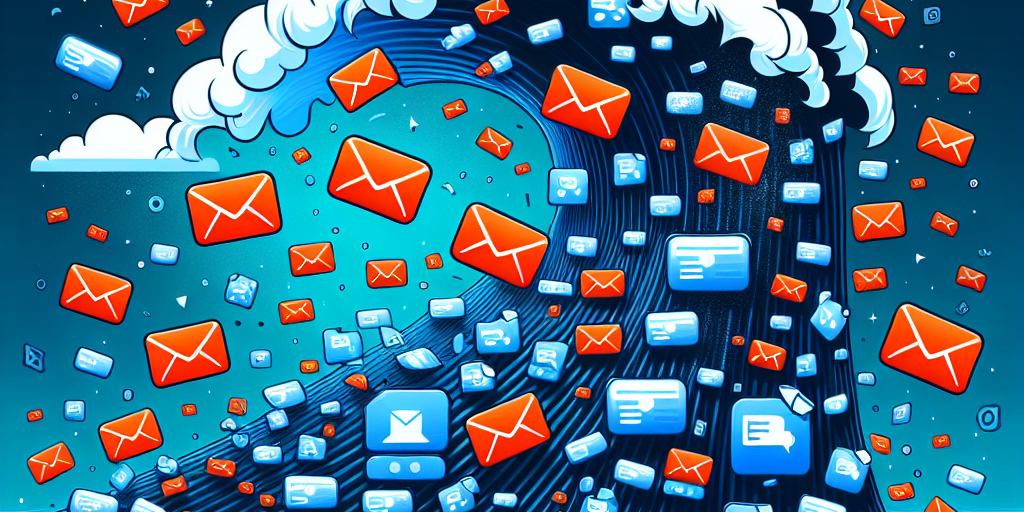
Reports indicate that individuals worldwide have been inundated with unsolicited emails bearing peculiar and often alarming subject lines. These communications appear to originate from compromised Zendesk systems, which are typically designed for customer service interactions. However, the attackers have turned these systems into a vector for spam, disregarding the reputational damage to the organizations involved.
This behavior highlights the necessity for proper security protocols and configurations within customer support platforms. Attackers can exploit inadequately protected systems, potentially using them to deliver malware or capture sensitive user information—crucial details that can be exploited for further nefarious activities.
Expert Analysis and Commentary
Cybersecurity experts emphasize the importance of securing ticketing systems, noting that this incident could serve as a crucial case study for businesses. Dr. Emily Larson, a cybersecurity analyst, remarked, “The ability of attackers to hijack legitimate systems highlights a broader vulnerability in how businesses approach security. It’s imperative that organizations not only secure their networks but also actively monitor and harden all services, including customer support systems.”
Practitioners in the field are advised to reassess their security protocols, emphasizing the implementation of best practices for configuring customer service platforms. Such measures might include:
- Regularly updating software and patching vulnerabilities.
- Implementing multi-factor authentication (MFA) for access to sensitive systems.
- Conducting routine security audits to identify weaknesses.
- Training employees on recognizing phishing attempts and social engineering tactics.
These steps can enhance defenses against similar campaigns in the future.
Comparative Analysis: Historical Context of Spam Campaigns
The current situation aligns with a series of similar incidents in recent years, where attackers have successfully manipulated widely-used platforms for spam dissemination. For example, the 2020 “Email Spoofing Attack” targeted major corporations by exploiting known vulnerabilities in email servers, causing operational disruptions and financial losses.
According to cybersecurity firm Symantec, as of 2021, over 90% of all cyberattacks begin with a phishing email, emphasizing the ongoing risk posed by unsecured systems. Past data suggests that businesses experience an average of 38% increase in spam-related incidents during such waves, highlighting the urgent need for robust defenses.
Potential Risks and Implications
The proliferation of spam originating from unsecured systems carries numerous risks for both users and organizations alike:
- Data Breaches: Attackers may use spam to distribute malware or gain unauthorized access to sensitive data.
- Reputation Damage: Companies that fall victim to such attacks may suffer long-term damage to their reputations, eroding customer trust.
- Increased Operational Costs: Resources spent managing the fallout from spam incidents can strain organizational budgets.
- Legal Repercussions: Failing to protect customer data can lead to compliance issues and potential legal action.
Organizations must proactively assess their vulnerability and take decisive action to mitigate risks associated with unsecured systems.
Actionable Recommendations
In light of the increasing prevalence of such attacks, organizations should consider the following recommendations to safeguard their systems:
- Implement Security Best Practices: Ensure regular configuration reviews and adherence to security standards across all platforms.
- Educate Staff: Conduct training sessions that focus on recognizing suspicious emails and understanding the importance of cybersecurity.
- Monitor Systems Continuously: Establish a system for real-time monitoring to detect anomalies and unauthorized activities.
- Engage with Security Experts: Regularly consult with cybersecurity professionals to remain informed about emerging threats and effective countermeasures.
By taking these proactive measures, organizations can significantly reduce their exposure to similar spam campaigns in the future.
Conclusion
As exemplified by the recent exploitation of unsecured Zendesk ticket systems, the threats posed by spam campaigns are ever-evolving and remain a significant concern for businesses and individuals alike. Emphasizing cybersecurity education, implementing robust security measures, and fostering a culture of vigilance can mitigate the risks associated with such incidents. Organizations that prioritize these strategies will be better equipped to navigate the complex landscape of digital threats.
Source: www.bleepingcomputer.com